Author: Brett Beutler

  • What Services Do Moving Companies Offer? Answers from a Moving Company

    Every moving company offers basic services and this guide goes into what services are standard for moving companies to offer and which moving services are not.
    Moving is an difficult process and ending your move with all your hair can be a challenge. Finding a moving company that offers all the services you need done can take away a lot of the stress and will really simplify your move. In this comprehensive guide, we break down the extensive list of services that professional moving companies offer to make your move seamless.


    1. Local Moving Services

    If you’re moving within your city or nearby areas, local moving services are tailored to make short-distance moves easy and stress-free. Around 90 % of moving companies will offer local moving services that include:

    • Secure loading and unloading
    • Transportation (Ask if they provide the moving truck or if you need to provide it)
    • Same-day moves (this will vary largely on the moving company and the time of year you are moving, and the size of you move)
    • Fragile item handling (Ask your movers how they protect fragile items. Crating services are not a common service offered by moving companies)
    • Furniture disassembly and reassembly (Ask the moving company if they come with tools or if you need to provide them)

    Manly Moving we go come prepared to not only take things apart and reassemble them, but we come with blankets and stretch wrap to ensure your furniture gets moved safely and securely. We take care of everything you see above so you can kick back and relax on moving day. Good idea don’t you think?


    2. Long-Distance Moving Services

    Long-distance moves require meticulous planning and expert coordination.

    • Interstate and cross-country moves (Lot of moving companies may offer these services, but not a ton of them do it legally. Make sure you moving company is licensed with DOT and have cargo and commercial auto coverage so you don’t risk losing everything.)
    • Dedicated moving coordinator (Not all moving companies have dedicated sales reps to coordinate your move. You want good communication with a long-distance move. This will vary per company, but is something important to keep in mind.)
    • Climate-controlled transportation options (This is very rare and won’t matter for most things you transport unless you transport things like plants and animals. I would go as far as to say you generally hire specific moving companies that specialize in this because it is not common.)
    • Timely delivery (This varies a lot with long-distance moving companies. If you hire a vanline with shared loads you will generally be looking at less timely delivery timeframes. If you are not sharing a load then a majority of moving companies can give you a decent timely delivery.)

    At Manly Moving we specialize in long-distance moving. We can usually get things delivered not just on the day you want, but usually on the time of day you want. We are very affordable and we offer unmatched customer service from start to end of your move. That being said we do not offer climate controlled transportation at this time, but hope to do so in the future.


    3. Residential Moving Services

    Your home is full of valuable belongings that deserve careful handling. Our residential moving services include:

    • Customized moving plans ( It can be difficult to coordinate timelines when buying and selling a house at the same time. Most moving companies deal with a wide array of these situations and can have great advice for navigating your move.)
    • Full-service packing (75% of moving companies will offer full service packing. A way lower percent of those moving companies will provide packing materials at an affordable rate. )
    • Specialty item moving (Pianos, gun safes, spas, antiques, and fine art are among some of the specialty moving that moving companies can offer. Due to the liability and skill involved in moving such items you need to ask your moving company if they offer these services and it should not be assumed that they will move them.)
    • Secure storage solutions (This is a service less than half of moving companies offer and usually it is the bigger companies that will offer it. Check with your moving company to see if they have secure and climate controlled storage.)
    • Moving insurance options (Very few moving companies offer moving insurance directly. All legit moving companies are required to offer valuation coverage, but that is different than insurance and usually moving insurance if it is purchased it is purchased through a 3rd party like http://www.movinginsurance.com.)

    Residential moves are our bread and butter at Manly Moving. As an Idaho and Utah based company we help people move everyday. We offer affordable, comprehensive, and stress-free moving. All the above services we offer to our moving customers.


    4. Commercial & Office Moving Services

    Business relocations need to be efficient to minimize downtime. Ask your moving company if they do commercial office moving. This is where an experienced moving company that will get you moved and get you up and going quickly is crucial.

    • Office equipment disassembly and setup (True office movers will come with the tools and equipment to get everything moved and assembled quickly.)
    • IT and data center relocation (Knowing how to handle such valuable equipment is important when hiring competent movers. )
    • Secure document handling (Hire a moving company you can trust when moving documents with private information.)
    • After-hours and weekend moves (These kind of moves can go long and may need to be done when the office is closed. Ask for their moving hours and see if they charge extra for working after hours or weekends)
    • Project management (Coordination is key and your don’t want to be your movers first rodeo)

    We are the moving professionals you can trust to get the job done right. Manly Moving has been trusted by businesses all over the western United States to make their office move seamless and professional. We work quick and long so you can get up and running quickly.


    5. Packing & Unpacking Services

    Packing can be one of the most time-consuming parts of moving. Let our professional team handle it with:

    • Full-service packing (Ask if your movers provide moving supplies or not and ask to see their box prices before ordering)
    • Partial packing options (Van Lines are some of the only moving companies I have seen that won’t do a partial pack, but who offer full-pack services. You can generally assume if the moving company does a full-pack then they will offer a partial packing service. )
    • Fragile Item Packing (Not all moving companies will be experienced or know how to protect certain fragile items in transit. Identify your most fragile items and ask how your movers would protect such an item)
    • Custom crating for high-value items (Crating is not a common service offered by moving companies and you want a moving company that has experience crating or it will be money wasted crating something if it is not done right.
    • Unpacking Service (This service is really hit or miss as to whether a moving company will offer this service. For example we will only offer this service during slow periods. )

    Manly Moving offers partial and full packing services. We are experienced in moving high value art and with crating a wide range of items. You can trust us to safely pack and move even the most expensive of items.


    6. Storage Solutions

    Sometimes you need a safe place to store your items temporarily.

    • Short-term and long-term storage (Larger moving companies will have storage options while smaller moving companies generally wont. Ask your moving company if their storage facility is owned or leased by them or if they are just storing your items at a self storage facility.)
    • Climate-controlled storage units (Climate Controlled storage is not a common service that moving companies can offer. If a moving company stores in a warehouse they will likely have climate controlled storage.)
    • 24/7 security monitoring (Ask your movers if their storage facility has security cameras or security system in place)
    • Easy access when you need it (Generally if your moving company stores you items in a moving vault then you will need to usually give 24 hours notice. If you are storing in a storage facility then access is usually a lot easier and advance notice is not required.)

    Our storage facility at Manly Moving is a climate controlled, secure warehouse with security cameras to ensure your stuff is safe and secure.


    7. Specialty Moving Services

    Some items need extra care and expertise.

    • Pianos and organs (Lots of moving companies will move pianos and organs for an added piano fee. That being said not all moving companies have the right equipment to safely move pianos and organs. If you have a grand piano or a larger upright piano that requires so tricky maneuvering or if it is a high end piano then hire a moving company that has pictures of them moving those types of items on their website. )
    • Fine art and sculptures (Most smaller moving companies won’t have the insurance to handle a claim even if they do claim that they move these types of items. Ask you movers about their liability and commercial auto insurance before trusting them to move such items.)
    • Pool tables (Pool tables you need more than muscle to move. Most moving companies will move a disassembled pool table, but you need to find a company that has experience assembling and disassembling them so that the table is accurately leveled and the felt is tight.)
    • Hot tubs (Hot tubs can range a ton in weight especially when you get into the swim spas. If you get into moving these same items in trick terrain then an experienced moving company is necessary. Most moving companies can move a 4 person hot tub without too much trouble, but bigger then that you need the right movers with the right equipment.)
    • Grandfather clocks (I added this because these are often moved and they are often moved incorrectly. They are not hard to move, but you need to know the right way to move them and so each company will vary if they have trained their movers on how to move them or not.
    • Oversized furniture (Depending on the weight and size of the item and the path that item needs to take from A to B will determine the level of experience you movers will need to have.)

    Manly Moving is a do it all moving company. We move all the specialty items. In fact we often get hired by van lines and other moving companies in our area to move these types of items for them. We are the best around when it comes to moving these types of things.


    8. Senior Moving Services

    Seniors transitioning to new living arrangements have special needs that have to be met.

    • Downsizing assistance (Some moving companies in warmer states where there are lots of retirement areas often specialize in these types of moves and know what Seniors will need in their new home.)
    • Estate cleanouts (These jobs can be big and require a lot of coordination to get everything moved out and delivered to different locations. You want a moving company with good organization and communication.)
    • Coordination with senior living facilities (Many moving companies already have relationships with senior living facilities and you might be able to talk to your facility to see who they would recommend.)

    Our movers are clean cut, professional, patient, and respectful. We know first hand that these are necessary attributes with dealing with senior moving.


    9. Military Moving Services

    For military families, relocation is often part of life.

    • Military-approved moving processes (There are specific requirements that need to be met when moving someone through the military and not all moving companies know what those requirements are and know how to meet them.)
    • Flexible scheduling (Not all moving companies can be flexible scheduling around the military member’s schedule and that of their family. You will be able to tell easily over the phone if a moving company will be flexible with you.)

    I will be 100% transparent that although we have moved lots of military families and we know how to meet the requirements, that is not our specialty and there are veteran owned moving companies that are ideal to hire for these types of moves.


    Why Choose Manly Moving?

    At Manly Moving, we don’t just move your belongings – we move your life with care, precision, and a personal touch. Our team of expert movers, state-of-the-art equipment, and customer-first approach make us the premier choice for all your moving needs. Whether it’s a local move, cross-country relocation, or just moving stuff around your house, trust Manly Moving to handle every detail with professionalism and care.

    Call Manly Moving for a free moving estimate or consultation 855-997-1881
  • How Much Does a Moving Company Cost in 2025? | Manly Moving Guide

    Planning a move? Wondering how much a moving company costs? You’re not alone. At Manly Moving, we know that one of the biggest concerns for homeowners is budgeting for a move — and understanding exactly what you’re paying for. In this complete 2025 guide, we’ll break down moving costs, explain what affects pricing, and show you how hiring the right movers (like Manly Moving) can actually save you money.


    Average Moving Company Costs in 2025

    How much does it cost to hire movers in 2025? The answer depends on several factors, but here are national averages you can expect:

    Type of MoveAverage Cost Range
    Local Move (Under 100 Miles)$500 – $2,500
    Long-Distance Move (100+ Miles)$2,000 – $8,000+
    International Move$4,000 – $15,000+
    Studio/1-Bedroom Move$400 – $1,200
    2-3 Bedroom Home Move$1,200 – $5,000
    4+ Bedroom Move$2,000 – $10,000+

    Important Tip:
    Prices vary based on your location, season, and whether you choose full-service movers or basic transportation-only service.


    What Determines Moving Costs?

    1️⃣ Distance

    • Local Moves are typically charged by the hour.
    • Long-Distance Moves are priced based on weight, volume, and miles traveled.

    2️⃣ Size of Your Move

    The size of your home directly affects cost. More rooms = more boxes, furniture, and weight.

    Average Moving Weight:

    • Studio Apartment: ~2,000 lbs
    • 2-Bedroom Home: ~5,000 lbs
    • 4-Bedroom Home: 10,000–15,000 lbs

    3️⃣ Time of Year

    • Peak Season (May–September): Higher demand = higher prices.
    • Off-Peak (October–April): You can often save 20–30%.

    4️⃣ Labor and Crew Size

    • Larger crews move you faster but cost more per hour.
    • Difficult access (stairs, elevators, long carries) increases labor time.

    5️⃣ Packing Services

    • Full-service packing: $300 – $1,200+
    • Packing supplies: $100 – $500 depending on home size.

    6️⃣ Insurance & Valuation Coverage

    • Basic coverage may not be enough.
    • Full value protection typically costs ~1% of your declared item value.

    Detailed Cost Breakdown Examples

    Example 1: Local Move (2-Bedroom Apartment, 5 Hours)

    • 3 movers @ $175/hour: $875
    • Packing supplies: $200
    • Truck fee: $150
    • Insurance upgrade: $75

    Total: $1,300

    Example 2: Long-Distance Move (3-Bedroom Home, 1,000 Miles)

    • 8,000 lbs @ $0.75/lb: $6,000
    • Packing service: $800
    • Materials: $300
    • Fuel surcharge: $250
    • Insurance: $300
    • Additional handling: $200

    Total: $7,850


    Hidden Moving Fees to Watch Out For

    Extra ChargeCost RangeReason
    Stairs Fee$50–$200Multiple flights of stairs
    Long Carry Fee$75–$200Long distance from truck to door
    Elevator Fee$50–$150Apartment moves
    Heavy Item Fee$100–$500Pianos, safes, pool tables
    Storage$100–$500/monthTemporary storage needs
    Shuttle Fee$200–$500Small truck required for tight access

    How to Save Money on Your Move

    Proven money-saving moving tips:

    1. Declutter – Fewer items = lower weight and cost.
    2. Move Off-Peak – Schedule your move between October and April.
    3. Book Early – Lock in lower rates by reserving in advance.
    4. Pack Yourself – Save on packing labor.
    5. Use Free Boxes – Get free boxes from local stores or online groups.
    6. Compare Multiple Quotes – Get at least 3 estimates.
    7. Be Flexible – Mid-week, mid-month moves often cost less.
    8. Ask for Discounts – Seniors, military, students, and repeat customers often qualify.

    Is Hiring Movers Worth It?

    While a DIY move may seem cheaper at first glance, professional movers:

    • Protect your belongings from damage
    • Handle heavy lifting safely
    • Save you valuable time
    • Offer reliable scheduling
    • Provide insurance coverage for peace of mind

    In most cases, hiring movers like Manly Moving actually prevents costly mistakes, damage, and injuries — which saves you money long-term.


    Why Hiring Manly Moving Will Actually Save You Money

    At Manly Moving, we don’t believe in surprise charges or inflated fees. Here’s how we help you save money while delivering professional, stress-free service:

    Transparent Pricing:
    We offer clear, upfront quotes with no hidden fees.

    Efficient Crews:
    Our trained team works fast and carefully, reducing labor time — and your bill.

    Damage Prevention:
    Our expert packing and handling reduces the risk of broken items, saving you hundreds (or thousands) in potential replacements.

    Free Moving Consultation:
    We help you strategize your move to avoid unnecessary costs before moving day even arrives.

    Customized Packages:
    We tailor services to fit your exact needs and budget — not a one-size-fits-all price.

    Competitive Rates:
    Because we’re local, family-owned, and experienced, we can often beat the big national chains while providing more personalized service.


    Ready to make your move easy and affordable?
    👉 Contact Manly Moving today for a free, no-obligation quote.

  • TOP 10 Ways to EASILY Sell Your Home For Way More Money

    You are giving away your home if you don’t do at least 3 of the following!

    When it comes time to sell your home, every dollar counts. Whether you’re upgrading, downsizing, or relocating, you want to get the best possible return on your investment. Here’s a detailed guide on the top 10 ways to sell your house for more—smart, practical steps that can make a real difference in your final sale price.


    1. Boost Curb Appeal

    Curb appeal is your home’s first impression, and it can make or break a buyer’s interest. A well-kept exterior sets the expectation that the rest of the home is also cared for.

    What to do:

    • Power wash siding, walkways, and driveways
    • Repaint or replace the front door
    • Plant seasonal flowers or shrubs
    • Mow the lawn and edge the garden beds
    • Install new house numbers or outdoor lighting

    Small investments here can yield major results—according to real estate pros, curb appeal alone can increase your home’s value by up to 7-10%.

    Photo by Pixabay on Pexels.com

    2. Stage Your Home Professionally

    Staging is about making your home appeal to the broadest audience possible. It helps buyers envision the potential of the space and highlights your home’s best features.

    Staging tips:

    • Rearrange furniture to open up spaces and create flow
    • Use neutral color palettes to appeal to more buyers
    • Add tasteful, minimal décor and fresh flowers
    • Remove excess furniture to make rooms feel larger
    • Use mirrors to reflect light and create a sense of openness

    This can be a breeze by calling Manly Moving and have us quickly rearrange things and we can take your items to storage. We can make this step quick and stress-free. Homes that are staged spend less time on the market and typically sell for 5-10% more than unstaged homes.


    3. Make Smart Upgrades

    Not all renovations are created equal. Focus on improvements that offer a high return on investment (ROI), especially in key areas like the kitchen and bathrooms.

    High-ROI upgrades:

    • Replacing outdated countertops with quartz or granite
    • Installing a new backsplash
    • Updating light fixtures and cabinet hardware
    • Repainting walls with modern, neutral colors
    • Installing a new vanity or mirror in bathrooms

    Avoid overly personal or trendy upgrades that may not appeal to all buyers. Stick with timeless improvements that add functionality and style.

    Photo by Mark McCammon on Pexels.com

    4. Hire a Skilled Real Estate Agent

    Your real estate agent is your partner in maximizing your home sale. A top-performing agent brings market insight, negotiation expertise, and a wide network of potential buyers.

    What a great agent provides:

    • A detailed market analysis to price your home competitively
    • A professional marketing strategy (including MLS, social media, and virtual tours)
    • Access to high-quality photographers and stagers
    • Skilled negotiation to get you the best terms and price

    Don’t choose your agent based solely on friendship or fees—look for someone with a strong local track record and excellent reviews.

    Photo by Thirdman on Pexels.com

    5. Deep Clean Everything

    A clean home tells buyers you’ve maintained it well. A dirty or messy space can cause buyers to worry about hidden issues.

    Cleaning checklist:

    • Wash windows inside and out
    • Scrub grout and deep clean tiles
    • Shampoo carpets or replace if stained
    • Dust baseboards, ceiling fans, and light fixtures
    • Clean out closets, drawers, and cabinets

    Consider hiring a professional cleaning crew for a thorough top-to-bottom clean. It’s a relatively small expense with a major payoff.

    Photo by Nathan Cowley on Pexels.com

    6. Use High-Quality Listing Photos

    With over 90% of buyers starting their home search online, your listing photos are your home’s first real showing.

    Tips for great photos:

    • Hire a professional photographer who specializes in real estate
    • Shoot in natural daylight to enhance brightness
    • Take wide-angle shots to capture room dimensions
    • Include key selling points like fireplaces, views, or updates
    • Use drone photography for large properties or to show off the neighborhood

    Listings with professional photography sell faster and for more money—don’t settle for smartphone pictures.

    Photo by Alex Qian on Pexels.com

    7. Depersonalize the Space

    Buyers need to imagine themselves living in your home—not you. Depersonalizing helps create a clean slate.

    What to remove:

    • Family photos and kids’ artwork
    • Religious or political items
    • Bold colors or décor themes
    • Personalized name signs or monograms

    Aim for a model-home feel—neutral, inviting, and stylish. It helps buyers mentally “move in” and feel emotionally connected.

    Photo by Ilya Shakir on Pexels.com

    8. Price It Right from the Start

    Pricing your home correctly from day one is crucial. Overpricing can lead to stale listings, while underpricing may leave money on the table.

    How to price smart:

    • Use a Comparative Market Analysis (CMA) to assess nearby sales
    • Factor in current market trends and inventory levels
    • Avoid emotional pricing—buyers won’t pay for your memories
    • Consider psychological pricing (e.g., $499,000 instead of $500,000)

    Homes that are accurately priced generate more interest and can even spark bidding wars.

    Photo by cottonbro studio on Pexels.com

    9. Be Flexible with Showings

    You want to make it as easy as possible for buyers to view your home. The more people who see it, the more likely you are to get multiple offers.

    Flexibility strategies:

    • Allow showings on short notice, including evenings and weekends
    • Use a lockbox system for agent access
    • Plan to be out of the house during showings
    • Consider hosting open houses the first weekend on the market

    Limiting showing times could mean missing the perfect buyer. Convenience for buyers = faster, better offers for you.

    Photo by Alex P on Pexels.com

    10. Highlight Energy Efficiency and Smart Features

    Modern buyers care about energy efficiency, smart tech, and long-term savings. If your home has upgrades, make sure they’re front and center in your marketing.

    What to showcase:

    • Smart thermostats (Nest, Ecobee)
    • Solar panels
    • Energy-efficient windows or appliances
    • Insulation and HVAC improvements
    • Smart lighting, locks, or security systems

    Create a “features list” that highlights these benefits. Not only do they add appeal—they can justify a higher asking price.

    Photo by Kindel Media on Pexels.com

    Final Thoughts

    Selling your home for top dollar doesn’t have to involve major renovations or risky market timing. With the right preparation and strategies, you can significantly increase your home’s value and attract serious buyers.

    Take the time to invest in presentation, partner with a skilled agent, and position your home in the best possible light. Your future buyer is out there—let’s make sure they fall in love the moment they walk through the door.


    We hope you found these tips useful and we at Manly Moving are here not just to help you move from A to B, but also to have the whole process of moving go easier for you and to save you money! Call us for a free moving estimate 855-997-1881.

  • Can you really save money by hiring movers?

    Can you really save money by hiring movers?

    Hiring Movers vs Moving Yourself. Is moving yourself the cheapest option? We wanted to explore the pros and cons of hiring movers and moving yourself so you can know which option is best for you.

    Pros & Cons of Moving Yourself VS Hiring Movers

    So moving yourself can have lots of pros and cons so lets get into if this is your cheapest option and look at some variables that might change whether it is worth it or not. Moving yourself isn’t always going to be your cheapest option. Whether or not a DIY move is your best option depends on the variables we are going to look at below and talk about how each variable could change your best option and change what moving option is best for you and your wallet.

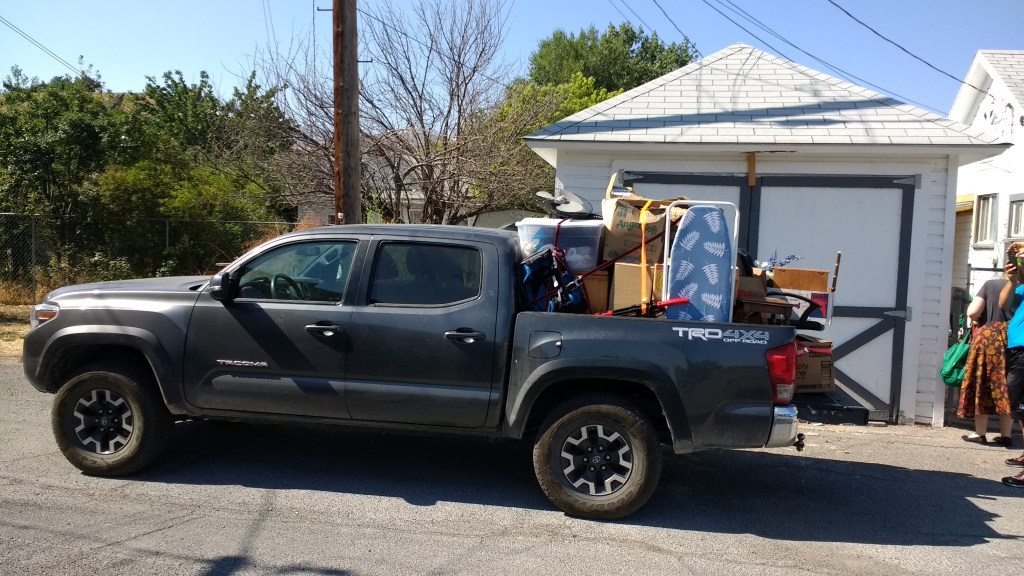
    Customer moving who loaded this truck

    1st Moving Variable: Your Hourly Wage & Moving Time Restraints

    This is important to figure out first so that you know what your time is worth. If you work salary or hourly then you need to figure out based on the your moving timeframe if you can accomplish it without taking work off. If you need to take off work then your work wage needs to be included in a DIY move as you taking time off work to move may be an expense due to the money you could be earning if you didn’t take that time off. Self employed individuals need to know the value of their hourly time to know if it is worth it for them to taking time out of working to move.

    Moving time frame is incredibly important to consider since moving can be time intensive and you might not be able to get the move done in time without hiring movers. There have been many times my moving company was hired last minute to help someone who was planning on moving themselves, but got in over their heads with it all. The average time for movers to pack up a room is around 1 hour per room, with storage rooms and kitchens being closer to 2 hours per room. Packing yourself takes more time because you tend to put more thought into packing and so your tend to double the packing time with it being about 2 hours to pack up a room with kitchens and storage rooms taking closer to 4 hours. Remember that a closet and pantry would be considered room so you need to count them as such. So now you just have to do the time math.

    Moving yourself:

    [_____ (# of standard rooms/ closets) x 2]

    + [_____(# of kitchens & Storage rooms) x 4]

    = # of packing hours

    [_____ (hourly wage) x _____ (# of packing hours)

    = Approximate cost of moving yourself

    Hiring a Moving Company to pack:

    [_____ (# of standard rooms/ closets) x 1]

    + [_____(# of kitchens & Storage rooms) x 2]

    = # of packing hours

    [_____ (moving company hourly wage) x _____ (# of packing hours)

    = Approximate cost of moving yourself

    After completing the math you need to decide if you have the time to do the packing yourself or if you need to hire movers. Keep in mind that you can always hire movers to come and just pack up one room if you just need a little extra help. Speaking also from personal experience, packing can get really tedious and so expecting to pack for 8 hours straight on a day off can be a bigger project then you think.

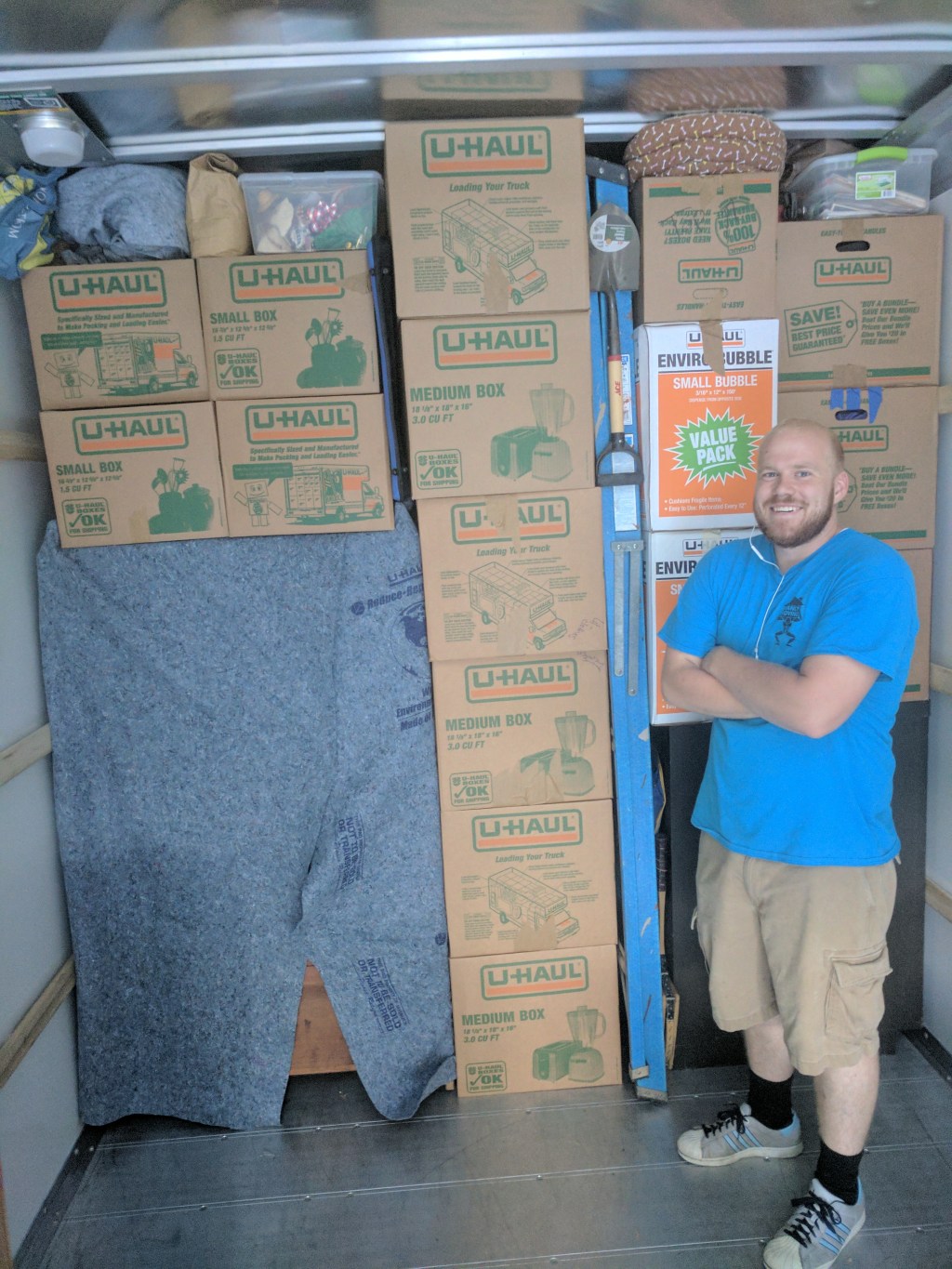
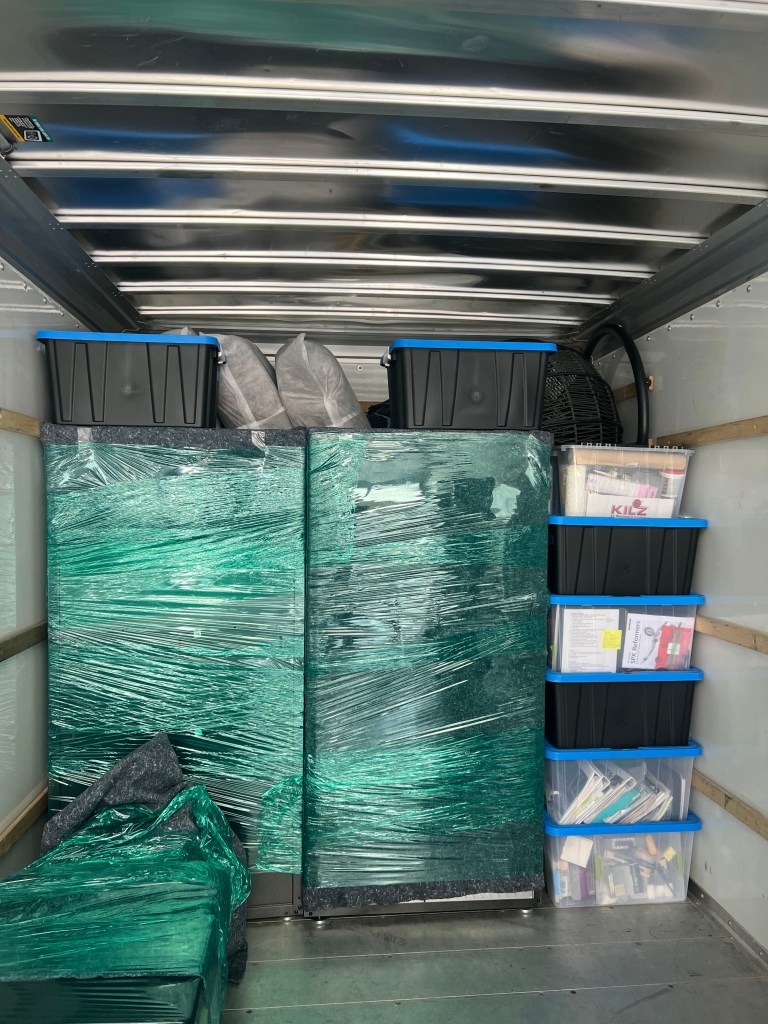
    Moving Truck loaded by Manly Moving and load is very tight and furniture protected

    2nd Moving Variable: Reliable Free Moving Help

    I am going to be blunt and say that none of you friends or family are excited to come help you pack up your belongings and move them. They might say they are excited, but in reality they would rather do something else I would bet. So you knowing your friends you need to determine first who is reliable and wont back out of helping you move and leave you in a pinch and also who is capable of helping move your stuff and pack it up with the same care and attention you would or close to it. After being brutally honest with this assessment of your friends or moving help you can better decide if you can successfully move yourself or if you need to hire movers.

    Finding reliable movers is also something that you need to consider. Hiring a moving company in advance with guarantee you a non-overbooked slot in their calendar and help ensure your movers will show up, make sure to confirm with your movers the day before they come, and lastly a moving company that takes a deposit on your move has a greater obligation to show up then a moving company that doesn’t.

    3rd Moving Variable: Ability to Move & Weather

    You need to be honest with yourself. If you are a month off of shoulder surgery or have a bad back or don’t have great cardio then you have to be honest with yourself that it either isn’t worth the risk of injury or it might be too much of a struggle to do it yourself. Also consider the same factors with the friends or help you are inviting to come help you. If you don’t know your moving help well enough then you might be guilting someone who struggles with back pain to come and move your stuff and you are putting them at risk. So really assess you and your help and whether they are up to the task and can handle to furniture you have with the equipment you have.

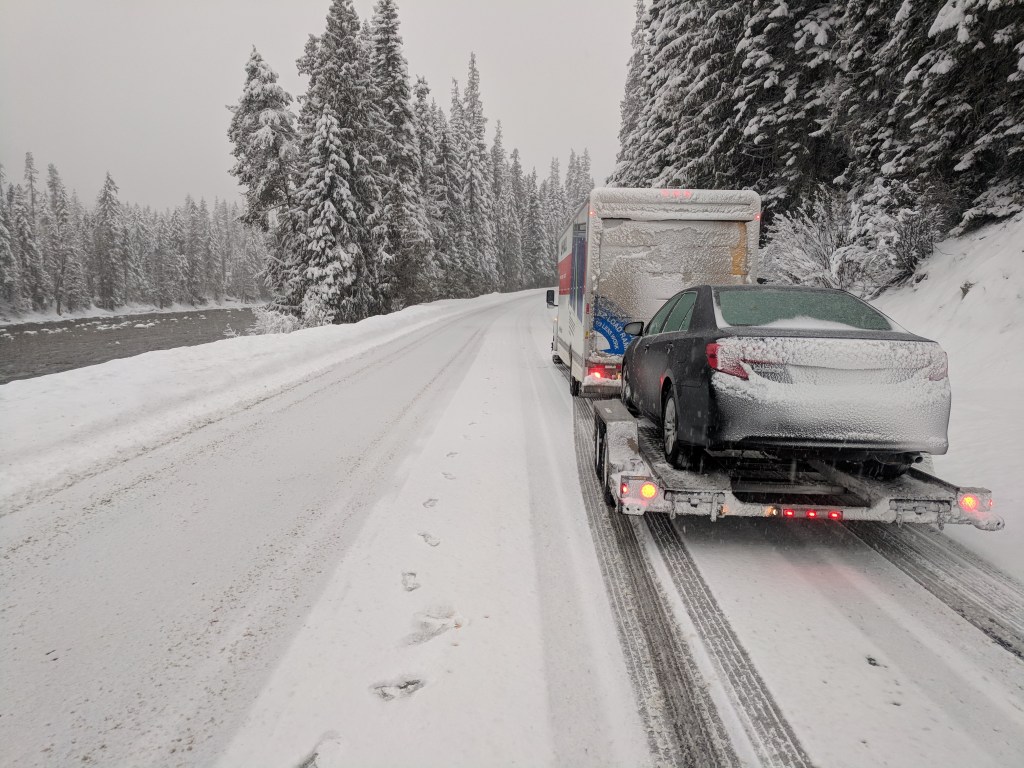
    Weather around the time of your move can change whether or not you need movers as well. My moving company operates in Eastern Idaho as well as in Saint George, UT. These locations each have different moving challenges. Moving in Idaho can be tough in the winter months with snow and rain. Those make for a slick ramp. As a moving company we have special mats, ramps, and tricks to moving in the snow. Slipping on a ramp with a fridge on a dolly will not only badly injure the person, but also the fridge. With the trucks as well we come prepared with tire chains to get out of muddy and snowy conditions. In Saint George, UT we deal will high temperatures. The trucks essentially amplify the heat outside and can sometimes be 10 degrees hotter in the truck then outside. This just adds to the exhaustion of moving and that is why we hire athletic individuals who can handle those kinds of working conditions. Keeping the weather in mind is really important when deciding whether or not to move yourself.

    Uhaul truck that we drove for a customer who didn’t feel comfortable driving in the snow and ice

    4th Moving Variable: Moving Liability (Is it worth the risk?)

    Something people moving never think about is the liability you take on when you have friends and family help you move. Do you have insurance to cover or do you want to deal with a situation where someone get injured helping you move. Imagine yourself in several of these real life moving scenarios.

    First imagine your dad comes to help you move and is unloading a truck. He is walking backward carrying a heavy couch. While so focused on gripping the couch and moving backward he misses the ramp with one foot and falls out of the moving truck landing on his elbow and shattering it. He now has to leave your move and go the the hospital because he is in a crazy amount of pain and that is the only person you had to help you move and you have to be out of your house by the end of the day. All the moving companies you try are already booked up for the day and now you have no options.

    Second scenario you are moving a gun safe up some stairs with a buddy. You are sliding it up the stairs when it hangs up on the top step. It is so heavy and you are running out of energy. You try to get it to go over that top lip of the stairs and your hand slips and the weight of the gun safe comes on top of you and your friend. It not only breaks your ankle, but also your friend is pinned under the safe and it has put a huge hole in the wall of the home you just sold.

    Third scenarios is you hire some neighbor kid to come help you with your move. He is dollying a glass curio cabinet that belonged to your grandma. You didn’t know he had grabbed it from the house and so you are not there to help him because you are taking apart beds. So while going up the ramp he is off on the ramp with one of the tires of the dolly and the cabinet starts to tip off the dolly. His reaction is to jump off the ramp and catch the cabinet so it doesn’t hit the ground. His hand goes on the glass and it breaks around his arm and puts a a big gash in his arm and the cabinet breaks in pieces all over the pavement.

    These are a few scenarios that are similar to one’s i have seen in real life and could happen to you on your move. How would you handle these situations. Are you going to take care of their hospital bills or insurance? Are you going to be able to leave your move and take them to the hospital? With this cost plus the cost of replacing the furniture that got damaged would that cost have covered hiring movers? By moving yourself vs hiring movers you are excepting a risk and liability that you have to be prepared for. Most moves these kinds of things don’t happen, but there will be some chance something can happen and you have to be willing and able to absorb that risk. Hiring movers takes that risk and puts it on your movers.

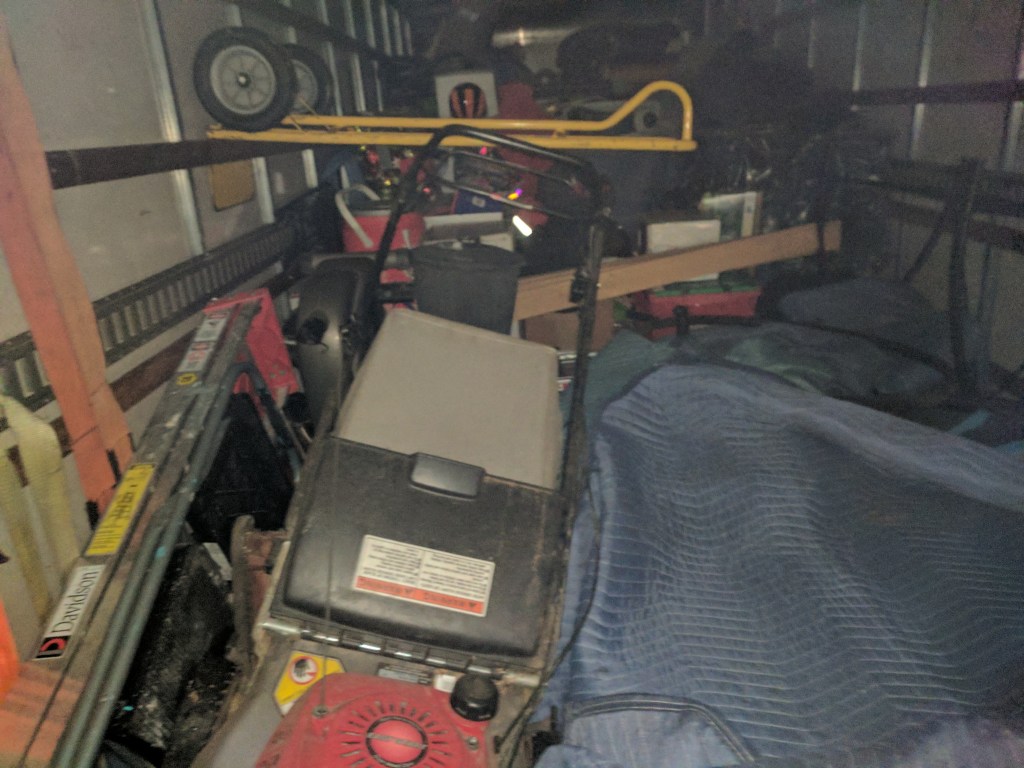
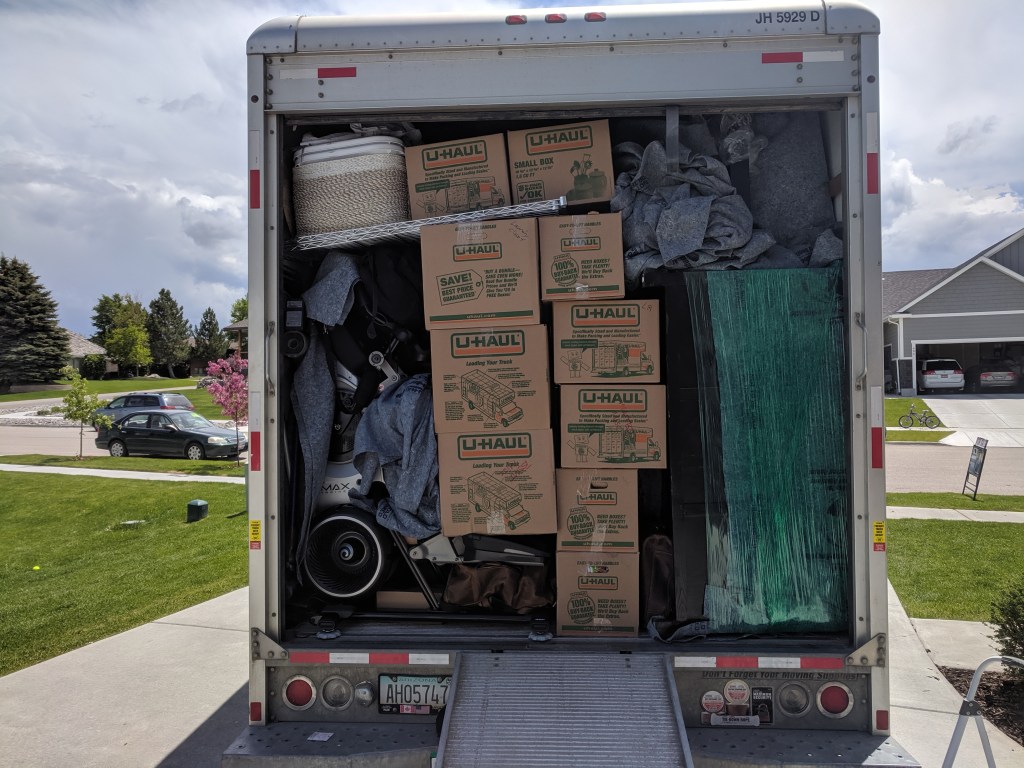
    A moving truck we were hired to unload that was loaded very poorly

    5th Moving Variable: Type of Furniture Being Moved

    There are three factors that need to be considered with regards to the furniture you are moving and if you need to hire movers or not. The factors to consider are the weight of the furniture, the actual or sentimental value of your furniture, or the technicality of your furniture.

    Weight is an easy moving factor to consider. With the weight of your furniture are you and those helping you able to handle, with out too much concern, the weight of the furniture in moving those items from point A to point B. Keep in mind too with the amount of stuff you are moving that you will have the energy and strength to handle all of it. Will you and whoever is helping you be able to move your heaviest items even after moving everything else?

    Sentimental and actual value of an item is important. Movers are professionals of their field and they are trained to move difficult, expensive, and fragile furniture. Moving companies also carry valuation that protects you in case something does get damaged. So really you need to look at the replacement or repair costs if your tv or antique china hutch get damaged. Hiring movers you are not only having the safeguard of their valuation coverage, but also they are going o have the know how and moving equipment to not only move your furniture safely in and out of the truck. Hiring quality movers who know how to pack a moving truck so that everything is blanketed and protected from damage in transit is important. I personally have seen a whole load collapse when furniture wasn’t loaded properly and furniture got damaged. Is the cost of damages going to offset hiring movers.

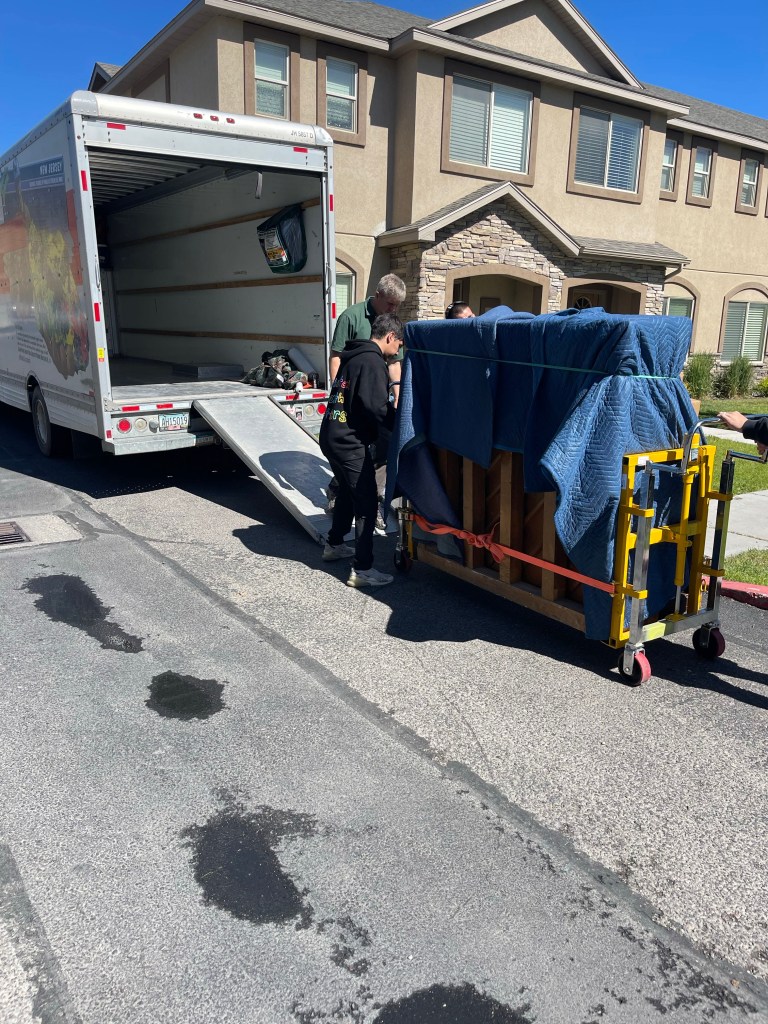
    Technicality of moving can refer to the layout of the house making moving more difficult such as a set of stairs with a landing or even a narrow hallway. Handling heavy furniture through tough areas increases the risk of doing damages to furniture, walls, railings, etc. Having help or hiring movers that are skilled can reduce damages. Technicality can also refer to specialty furniture like grand pianos, pool tables, and grandfather clocks that need either special equipment to move or need to be moved in a special way. If you have any items that seem technical to move, you need to see if it is in your wheelhouse or not and whether you should hire a moving company to help you. Note also that some moving companies won’t move specialty items and you may have to hire specialty items movers.

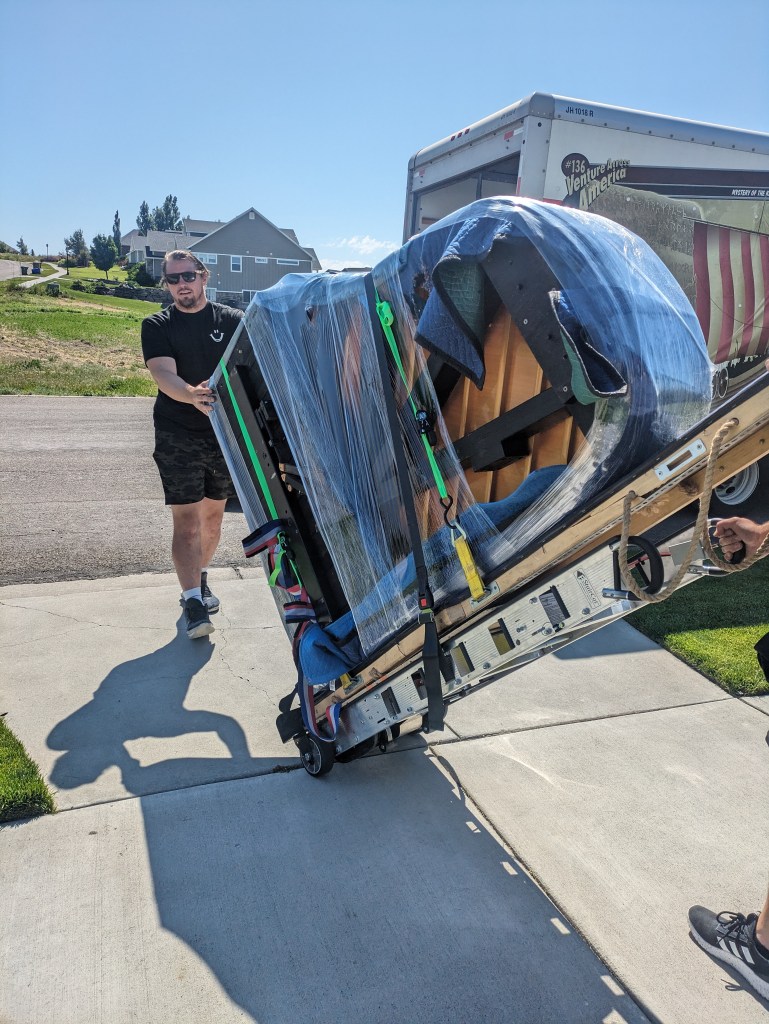
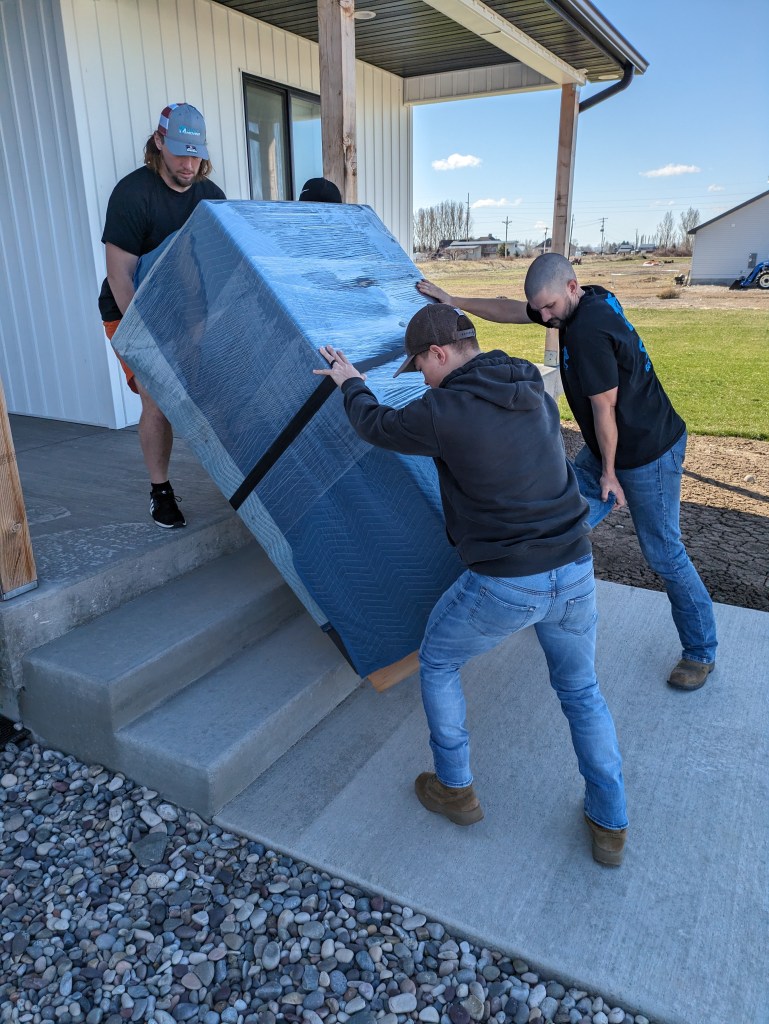
    We have special equipment to move really heavy furniture like pianos so they don’t get damaged.

    6th Moving Variable: Distance

    So this the really the last main variable to look at that determines whether it is cheaper to move yourself or hire a moving company. When moving the closer you move the cheaper things are. If you are moving next door then you can probably do the move cheaper yourself. However the further distance you are moving the higher the chance of your belongings getting damaged inside the truck. With ever bump the moving truck hits and ever turn the moving truck makes you have a chance of damages happening. Professional movers are trained to load trucks tight and can minimize these damages. If you take on the risk of moving yourself you have a higher risk of things getting damaged. For example someone moving in a colder climate might not take into account that plastic gets more brittle in the cold and so stacking too heavy with totes will result in a stack of totes collapsing. In warmer climates you might have things melt to the roof or totes collapse because the plastic softens with the heat and the stacks will collapse. These are things that I train my movers on when loading trucks among other things.

    Another factor of distance is the cost of transportation. Some customers will assume that container shipping is the cheapest option and will way overpay and they may not know that containers ride rougher and have more touch points which increases the risk of damage to belongings. Going the truck route and driving yourself is often the most economical, but mover’s wont cover their loads if you drive it because they can’t ensure that you won’t drive recklessly. Also at times if you have a smaller move they can add it onto another move and sometimes make it cheaper then it would have been to move yourself with a rental truck.

    Is it Cheaper to Move Yourself Rather than Hire Movers?

    So really it comes down to how far you are moving and how confident you are in yourself and those helping you to properly load a truck, move heavy items, and not get injured. So if you choose to go the DIY move route then you are accepting the risks that go along with moving yourself. If you hire movers you take the risk off yourself. If you have really cheap furniture and very capable family and friends then it probably is cheaper to move yourself especially if you are going a short distance. However if you have nice or expensive furniture items then hiring movers will probably be worth it.

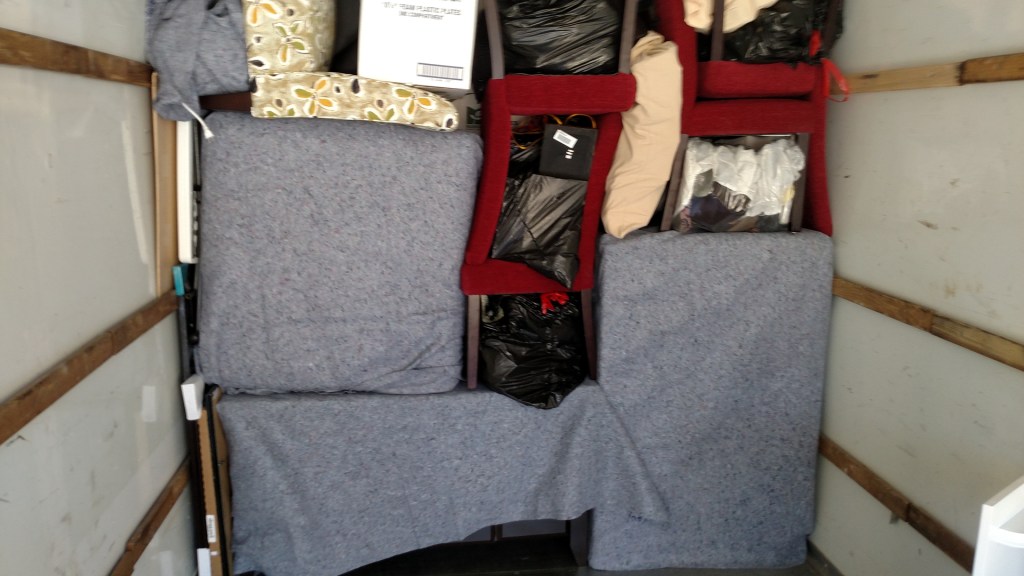
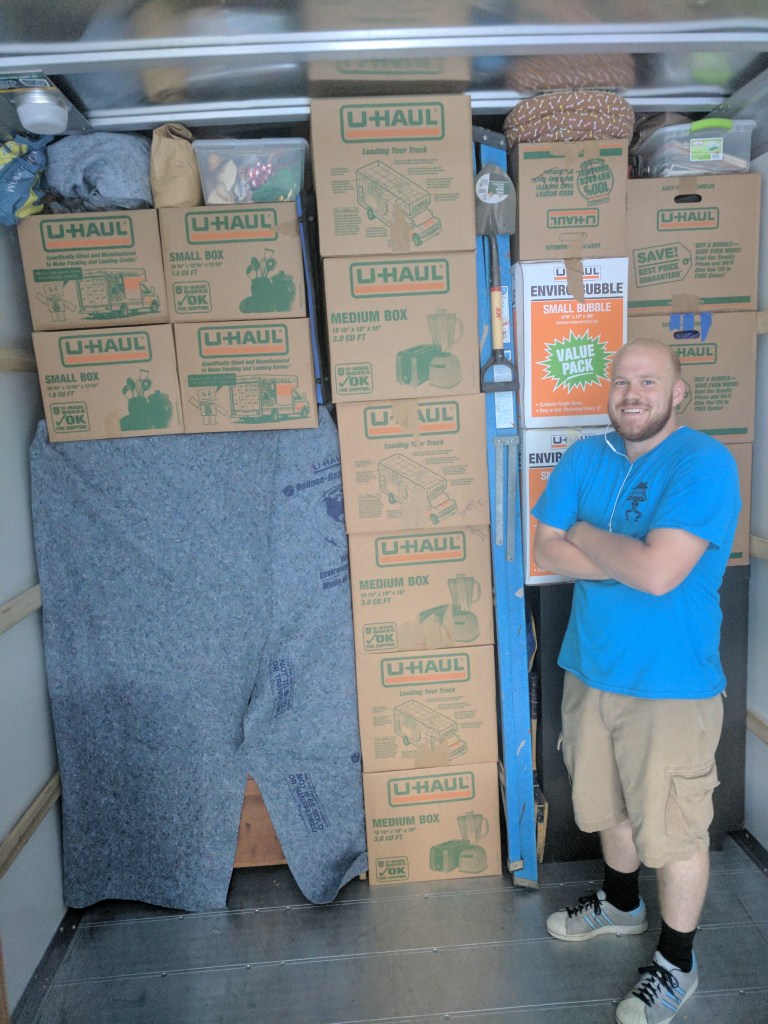
    Tight moving truck loaded by Manly Moving so nothing would move in transport
    Furniture padded and wrapped so the items would be protected in the move.
  • Need FREE Moving Boxes? Top 10 Places to Find the Best Boxes!

    Need FREE Moving Boxes? Top 10 Places to Find the Best Boxes!

    Finding free moving boxes can significantly reduce the cost of your move. Remember that not all boxes are created equal. There are 3 things to consider before going for those free moving boxes.

    1. ECT Rating (Edge Crush Test Rating) – This is printed on the seal of most boxes and tells the strength of the box. If you have a stack of boxes bouncing down the road you don’t want your boxes collapsing and so getting a quality or tough box is key. A side note: Boxes will lose their structural integrity the more times they are used.
    2. Tightness of Your Load: If you are moving around the corner this isn’t a deal braker, but boxes that have a similar footprint or in other words stack nicely because they are similar in length and depth can help you pack tighter and this could be the difference of thousands of dollars if you are moving across the country.
    3. Type of Box: Your time is valuable and so choosing boxes that are not only easy to label with a marker and boxes that have easy flaps to tape shut are important when you have a whole house to pack.

    NOW LETS GET STARTED: Here are ten of the best places to get free boxes:

    Photo by cottonbro studio on Pexels.com
    1. Grocery Stores: Grocery stores receive shipments regularly and often have sturdy boxes from produce, canned goods, and other products. Ask the store manager or staff if they have any boxes to spare.
    2. Liquor Stores: Liquor boxes are especially durable and often come with dividers, making them ideal for packing fragile items. Check with your local liquor store for availability. Remember you might get some looks though when you go to move your house and all people see is liquor boxes.
    3. Bookstores: Bookstores receive many shipments and have strong boxes that are perfect for packing books and other heavy items. Local independent bookstores and large chains like Barnes & Noble can be good sources of strong boxes.
    4. Retail Stores: Big-box retailers like Walmart, Target, and Costco, as well as smaller retail stores, often have plenty of boxes from their deliveries. Ask a store employee if they have any boxes they can give you. Many stores like Walmart stock late at night or early in the morning and you can talk to someone at the store to see when the best time to grab boxes is.
    5. Office Supply Stores: Stores like Staples or Office Depot receive large deliveries of paper and office supplies, which means they often have sturdy boxes available.
    6. Restaurants and Cafés: Foodservice establishments frequently receive shipments of ingredients and supplies in durable boxes. Check with local restaurants, cafés, and fast food chains for their excess boxes.
    7. Friends & Neighbors: Keep an eye out for any neighbors that have moved recently because they may be wanting to get rid of some boxes. Also if you have any neighbors with toddles or dogs whey might have diaper boxes or Chewy boxes which make for great moving boxes.
    8. Facebook Marketplace and Community Groups: Online platforms like Facebook Marketplace, local buy/sell groups, and community groups often have people giving away moving boxes for free.
    9. Hospitals & Medical Centers: Many of these places get large shipments of heavy items. I can personally attest to the quality of Cardinal Health boxes which you can find at a lot of hospitals.
    10. U-Hauls & Local Moving Companies: Many moving companies and U-Haul’s get used boxes from customers and will give them to you. It never hurts to check with these local businesses and companies.

    When collecting free boxes, make sure they are clean, sturdy, and in good condition to ensure the safety of your belongings during the move. Feel free to call us if you are ever interested in free moving boxes and we would love to hook you up if we have some.


    ***Subscribe to not miss any other awesome moving materials.***

    To get exclusive FREE access to all our moving materials, tools, and tips & tricks, call us for a free moving estimate. It is that easy! For a free moving estimate and tons of free stuff that will make your move simple and stress-free >> CLICK HERE

    We also think you will find this article useful as well>> 5 Secret Moving Tips that Could Save you Thousands $$ >> CLICK HERE

    Let us know in the comments anything you would add or let us know if we missed anything.

    Photo by cottonbro studio on Pexels.com
  • Moving with Pets >>> Tricks & Tips

    Moving with Pets >>> Tricks & Tips

    Moving can be stressful for pets, but with careful planning and consideration, you can help ease the transition for them. Here are 20 tips to make moving with pets smoother.

    You might be moving with either of these types of animals
    Photo by Alexander Grey on Pexels.com

    1. Update ID Tags: Make sure your pets’ ID tags have your new address and contact information.

    2. Visit the Vet & Groomer: Before you move, schedule a visit to the vet to ensure your pets are healthy and up-to-date on vaccinations. Also groom your animal prior to the move just in case it is hard to find one in your new area.

    3. Obtain Records: Get copies of your pets’ medical records to provide to your new vet.

    4. Pet-Friendly Accommodations: If you’re moving long-distance, plan your accommodations with pet-friendly hotels or temporary housing.

    5. Keep a Routine: Maintain your pets’ feeding, walking, and playtime routines as much as possible before, during, and after the move.

    6. Secure Transport: Use secure carriers or crates for transporting pets in the car. For long distances, consider getting your pet used to the carrier beforehand.

    7. Update Microchip Information: If your pet has a microchip, update the information with your new address and phone number.

    8. Pack Familiar Items: Bring your pets’ favorite toys, blankets, and bedding to provide comfort in the new environment. Also adding a new toy or treat could help keep your pet more occupied and less likely to stress.

    9. Gradual Introductions: If possible, introduce your pets to their new home gradually, starting with one room and gradually expanding their access.

    10. Safe Space: Set up a designated safe space in your new home where your pets can retreat and feel secure on moving day when things are hectic.

    11. Pet-Proofing: Ensure your new home is pet-proofed by removing any hazards and securing windows and doors. This might even include knowing what plants in your new home could be harmful to your pet.

    12. Supervision: Supervise your pets closely in the new environment to prevent accidents or escapes.

    13. Explore Together: Take your pets on leashed walks around the neighborhood to help them become familiar with the area and make new friends.

    14. Maintain Rules: Reinforce rules and boundaries with your pets in the new home to establish a sense of normalcy. Be sure to put food, beds, cages in similar rooms so they can adapt quicker.

    15. Monitor Stress Levels: Watch for signs of stress in your pets, such as hiding, excessive vocalization, or changes in appetite, and provide comfort as needed. See your vet if problems last longer than a week.

    16. Update Pet Records: Update your pets’ information with the local authorities, such as registering them with the city or obtaining any necessary licenses. Also research the area you are moving to ahead of time so see any pet restrictions or regulations.

    17. Find a New Vet, Groomer & Pet Boarding: Research and establish a relationship with a new vet in your new area. You can ask for recommendations from local pet groups on social media.

    18. Continue Training: Consistency is key. Continue training your pets in the new environment to maintain good behavior. Make sure you have snacks on hand so you can reinforce positive behaviors in your new home.

    19. Give them Attention: Moving is very stressful and can take up a lot of your valuable time. Spending quality time with your pets will help them adapt quicker and will keep them from causing damage out of stressful behavior.

    20. Patience and Reassurance: Be patient with your pets as they adapt to the changes, and provide plenty of love, attention, and reassurance throughout the process.

    By following these tips and tricks, you can help ensure your pets survive and thrive and settle into their new home.

    ***Subscribe to not miss any other awesome moving materials.***

    Get a downloadable version on our Etsy page along with other great resources >> https://oxmovingtools.etsy.com

    All our moving materials, tools, tips & tricks come free when you book a free moving estimate with us. Just use the link below to claim.
    >> For a free moving estimate and tons of free stuff >> CLICK HERE

    We also think you will find this article useful as well
    >> 5 Secret Moving Tips that Could Save you Thousands $$ >> CLICK HERE

    Let us know in the comments anything you would add or let us know if we missed anything.

  • Moving to IDAHO? 15 Things you must know before moving here!

    Moving to IDAHO? 15 Things you must know before moving here!

    Idaho is an awesome place to live, but where you move in Idaho will drastically impact your life based on lots of varying factors like weather, culture, and recreational options. You should consider and research the following to ensure a smooth transition and to familiarize yourself with the state’s lifestyle, climate, economy, and culture. Here’s a list of things to know before moving to Idaho:

    1. Housing Prices: In Idaho you have cities in and around Boise, Idaho Falls, and Coeur D’Alene which are all very fast growing cities with higher housing and land prices. Idaho has several hotspots for the wealthy and these areas like Sun Valley, McCall, and Teton Valley will all have high rates because they are destination locations. The homes here may be overpriced or go extremely quickly. Along with these fast growing cities we also have a lot of rural and remote areas around the state of Idaho that might be a lot more affordable, but with rural properties in Idaho you will often be quite isolated especially in the winter months. 
    2. Cost of Living: Research the cost of living in different cities or regions of Idaho to understand housing, utilities, groceries, and other expenses. Climate: Idaho has a diverse climate, with colder temperatures in the northern parts and warmer temperatures in the southern regions. Familiarize yourself with the climate of the area you plan to move to. For example the city of Rexburg is a smaller city north of Idaho Falls, but due to a large university there you will see a higher cost of living due to that factor. 
    3. Job Market: Investigate the job market in your field to ensure there are opportunities available in Idaho that match your skills and qualifications. If you work remote be sure you are looking at areas that might have access to internet and cell service. Boise area tends to be the tech area of the state, and the main employers in Idaho are agriculture and Idaho National Laboratories. 
    4. Outdoor Recreation: Idaho is renowned for its outdoor recreational opportunities, including hiking, skiing, hunting,  fishing, and camping. Consider how these activities align with your lifestyle preferences. It is important to understand also that Idaho has long winters. It is the beginning of May as I am writing this and we just got a snow storm yesterday. If you don’t have winter hobbies or are not a homebody then you might want to be selective as to where you move in Idaho, because the east side of the state tends to have longer winters, but perfect summers. 
    5. Cultural Diversity: Research the cultural diversity of Idaho and consider how it may differ from your current location. Idaho has a mix of urban and rural areas, each with its own cultural characteristics. Farming and agriculture have a huge influence on the culture of Idaho. Idaho also is a very conservative state as a whole and you will see that in the culture that exists, especially in the more rural areas. Outdoor recreation, especially with hunting and fishing are a big part of the Idahoan culture, which makes sense when you see that Idaho borders Yellowstone, has tall mountain peaks, large national and state parks, and  is home of some of the best fishing rivers in the country. You will notice also the culture tends to be very family oriented and a large percentage of the state is of the religion, The Church of Jesus Christ of Latter-Day Saints. Check different cities and you will find a lot of different cultures around the state. 
    6. Education System: If you have children or plan to pursue further education, research the quality of schools and higher education institutions in the area. Although the school funding isn’t like that of other states, it is my experience that they still have really qualified teachers. Idaho is also home to some great Universities and offer graduate and postgraduate degrees at affordable prices.
    7. Healthcare Facilities: Look into healthcare facilities and services available in the area to ensure access to medical care when needed. Some areas of Idaho can be pretty rural and remote. During winter months some cities might not have easy access to healthcare. Keep this in mind when looking at cities to live in Idaho. 
    8. Transportation: Consider transportation options and infrastructure in Idaho, including public transit, highways, and airports, especially if you rely on commuting or travel frequently. Idaho has great highways and the state takes good care of their roads. With the winters you might need to have a 4-wheel or all wheel drive vehicle to get around in harsher conditions. Airport travel is getting more affordable, but Idaho doesn’t have a lot of large airports to choose from. If you fly often you might notice Idaho as a bit more pricey to fly in and out of. 
    9. Economic Stability: Understand the economic stability and major industries in Idaho, as well as any potential challenges or opportunities in the local economy. As a whole the state has a wide range of industries that help to support the local economy. 
    10. Community and Lifestyle: Research the local community and lifestyle of the area you’re considering moving to, including amenities, social activities, and community events. Facebook tends to be the biggest social gathering place and communication source in Idaho. There will be some people on apps like Nextdoor, but Facebook groups are really popular here and they are a great way to stay connected. 
    11. Natural Disasters: Be aware of any prevalent natural disasters in the region, such as wildfires, earthquakes, or floods, and take necessary precautions. As a whole Idaho is a really safe place to live in the way of natural disasters. Our largest dangers are wildfires, high winds, and winter blizzards. 
    12. Taxes: Understand the state and local tax laws in Idaho, including income tax rates, property taxes, and sales taxes. In Idaho we do have sales tax and property taxes, but we don’t have some of the odd item taxes that some other states have. 
    13. Licensing and Registration: If you’re bringing a vehicle or plan to work in a regulated profession, research the requirements for licensing and registration in Idaho. Licensing and registration isn’t very strict or complicated when compared to many of the other states. 
    14. Local Laws and Regulations: Familiarize yourself with local laws and regulations, including zoning ordinances, pet and plant regulations, and noise ordinances. These will vary a lot from city to city and from urban to rural areas. 
    15. Community Support Networks: Look into community support networks, such as religious organizations, volunteer groups, and social clubs, to help you integrate into your new community. Obviously the bigger the community the more support groups you will have access to. 
    Photo by Clay Elliot on Pexels.com

    Hope this list of 15 things to know about Idaho helps you in preparing to move to Idaho. It really is a beautiful state with areas that fit most lifestyles and cultures. Let me know in the comments if I missed anything or if you have a difference of opinion.


    ***Subscribe to not miss any other awesome moving materials.***

    All our moving materials, tools, tips & tricks come free when you book a free moving estimate with us. Just use the link below to claim.

    For a free moving estimate and tons of free stuff >>> CLICK HERE

  • 15 Ways Idaho Might or Might not be Right for You

    15 Ways Idaho Might or Might not be Right for You

    Idaho is unique in a lot of ways and it varies significantly based on what part of the state you are moving to. Idaho is broken into 4 main sections: Western Idaho (Boise Area), South-Eastern Idaho ( twin Falls and East), Central Idaho (includes all of Sun Valley and up to Salmon), and Northern Idaho (Coeur D’Alene). Each area is very different and so be sure to do your homework before moving.

    Photo by Isabel Wright on Pexels.com
    1. Outdoor Lifestyle: Idaho is known for its outdoor recreational opportunities, so expect to see residents enjoying activities such as hiking, skiing, fishing, hunting, and camping year-round.
    2. Scenic Beauty: Prepare to be surrounded by stunning natural landscapes, including mountains, forests, rivers, lakes, waterfalls, and canyons. The scenery in Idaho is often breathtaking and offers ample opportunities for outdoor exploration and photography no matter where you live in the state. 
    3. Four Distinct Seasons: Idaho experiences four distinct seasons, with cold winters, mild springs, warm summers, and crisp autumns. Be prepared for snow in the winter months, especially in northern, eastern, and mountainous regions.
    4. Friendly Communities: Idahoans are often known for their friendly and welcoming nature. Expect to encounter tight-knit communities where neighbors know each other and are willing to lend a helping hand. The Church of Jesus Christ of Latter-Day Saints has a large presence in Idaho and they play a big part into the culture of communities.
    5. Low Population Density: While Idaho is experiencing growth, especially in urban areas like Boise and Idaho Falls, much of the state still maintains a relatively low population density. Expect to find wide-open spaces and a slower pace of life in many rural areas.
    6. Agricultural Heritage: Idaho has a strong agricultural heritage, with potatoes being one of its most famous crops. You can expect to see farmland and ranches throughout the state, contributing to its rural charm and economy.
    7. Conservative Politics: Idaho tends to lean conservative politically, especially in rural areas. Expect to encounter a political climate that reflects conservative values on issues such as gun rights, limited government, and individual freedoms.
    8. Affordable Housing: While housing prices have been rising in some areas due to population growth, Idaho generally offers more affordable housing compared to many other states, especially in rural and smaller towns.
    9. Cultural Events and Festivals: Idaho hosts various cultural events and festivals throughout the year, celebrating its diverse heritage and interests. Expect to find events ranging from music festivals to agricultural fairs to art exhibitions.
    10. Limited Diversity: While Idaho’s population is becoming more diverse, especially in urban areas, it still has a predominantly white population. Expect to encounter less diversity compared to larger metropolitan areas.
    11. Relaxed Lifestyle: Idahoans often embrace a more relaxed and laid-back lifestyle. Expect to find a casual atmosphere in many aspects of daily life, from dress codes to social interactions.
    12. Wildlife Encounters: Idaho is home to diverse wildlife, including deer, elk, moose, bears, wolves, and various bird species. Be prepared for the possibility of encountering wildlife, especially if you live in rural or mountainous areas.
    13. Proximity to Outdoor Attractions: One of the perks of living in Idaho is its proximity to outdoor attractions such as national parks, forests, and wilderness areas. Expect to have easy access to some of the most beautiful natural landscapes in the country.
    14. Water Activities: With numerous rivers, lakes, and reservoirs, Idaho offers plenty of opportunities for water activities such as boating, kayaking, rafting, floating, and fishing. Expect to see locals enjoying these activities during the warmer months.
    15. Seasonal Events: Idahoans embrace each season with seasonal events and activities. Expect to find winter festivals, summer concerts, fall harvest celebrations, and springtime markets happening throughout the state.
    Photo by Binyamin Mellish on Pexels.com

    Overall, moving to Idaho offers a unique blend of outdoor adventure, natural beauty, friendly communities, and a relaxed lifestyle that appeals to many individuals and families seeking a change of pace.

    ***Subscribe to not miss any other awesome moving materials.***

    All our moving materials, tools, tips & tricks come free when you book a free moving estimate with us >>> CLICK HERE

    Also check out:

    15 Tips to Sell your Home Quicker and for More Money $$$ >> CLICK HERE

    Also let us know in the comments anything you would add or let us know if we missed anything.

  • Essential Moving Binder

    Essential Moving Binder

    Your moving binder is your location of organization. This is a moving must along with making a moving essentials box. Avoid the moving stress by being prepared.

    Photo by Mizuno K on Pexels.com

    Essential Moving Binder – Contents Checklist

    • Packing Key: Shows what tape color or box label means what.
    • Labels: Labels for your new place, such as room & furniture placement labels
    • Blank Checks: This is for paying service providers or even as a backup plan
    • Inventory Sheet: This is optional, but can help you know everything was loaded & unloaded.
    • New House Keys: If you get them in advance, then make a copy and keep a copy in here as backup
    • Storage & Truck Lock Keys: These keys are easy to misplace and can lead to a lot of added stress if lost.
    • Receipts & Invoices: Many moving expenses can be written off on taxes so keep track of expenses
    • Estimates & Contracts: Keep housing paperwork, rental contracts, & service contracts nearby for reference.
    • Checklists: Moving is chaotic so keep to-do lists and checklists handy. Check out our other checklists online.
    • Notepad: You will have lots of important things to write down and you want a place to keep these notes safe.
    • Contact List: If your phone breaks or dies on you, you need important addresses, phone numbers, and emails.
    • Tickets & Reservations: Print off all your plane tickets, hotel & rental cars/truck reservations, & so on.
    • Address Cards: Have several address cards with your name & new address. It will be convenience you will love having.
    • Driving Directions: Your phone breaks or your car charger stops working. Don’t add getting lost to your adventure.
    • Calendar: Keep a calendar covering your moving period and keep important dates and times marked.
    • New House Keys: If you get them in advance, then make a copy and keep a copy in here as backup

    ***Subscribe to not miss any other awesome moving materials.***

    Get a downloadable version on our Etsy page along with other great resources >>> https://oxmovingtools.etsy.com

    All our moving materials, tools, tips & tricks come free when you book a free moving estimate with us >>> CLICK HERE

  • Essential Moving Day Box

    Essential Moving Day Box

    This box will help you stay organized and keep you prepared for moving day and ever worst case scenario.

    Photo by cottonbro studio on Pexels.com

    General Essentials

    • Moving Binder***
    • Storage Unit Keys
    • House Keys
    • Spare Car Keys
    • Post-it Notes
    • Checkbook
    • Phone – Wall Charger
    • Phone – Car Charger
    • Copy of ID or Driver’s License
    • Copy of Insurance Cards
    • Medical Records
    • Emergency Cash

    Health Stuff

    • Medacine – daily meds + tylonol + IB Prophin
    • First Aid Kit

    Carpet

    • Carpet Protector Film
    • Blanket

    Kitchen

    • Paper Plates
    • Plastic Utensils
    • Paper Towels
    • Disposable Cups
    • Bottled Water
    • Ziplock Bags
    • Road Snacks

    Bathroom

    • Flushable Wipes
    • Toilet Paper Roll
    • Toiletries
    • Hand Soap
    • Towel

    Bedroom

    • Change of Clothes
    • Inflatable Mattress
    • Sheet Set
    • Pillows

    Emergency

    • AAA Batteries (8 total)
    • AA Batteries (4 total)
    • Emergency
    • 9V Batteries (2 total)
    • Flashlight
    • Padlocks (one per truck)
    • Scissors
    • Extra Roll of Box Tape
    • Masking Tape – For labelling
    • Sharpie

    Basic Tools

    • Screwdriver or Drill
    • Pliers – Two Sets
    • Adjustable Crescent Wrench
    • Allen/Hex Wrench
    • Tape Measure
    • Hammer & Nail – Take off doors
    • Utility Knife

    *** Check out our moving binder checklist to see what you should have in your “Moving Binder”

    Photo by Anna Shvets on Pexels.com

    These are some additional items you may want to add to your moving day box so you can be prepared for kids or pets

    Kids’ Moving Day Backpack

    • Snacks
    • Change of Clothes
    • Favorite Small Toys
    • Pillow
    • Blanket

    Babies

    • Flushable Wipes
    • Diapers
    • Desitin Cream
    • Extra Pacifiers
    • Sound Machine
    • Toys
    • Blankets – Bring Two
    • Bottles & Formula
    • Pack & Play
    • Carrying Harness

    Dogs & Cats

    • Kennel or Carrying Crate
    • Poop bags or litter box
    • Paper Towels
    • Disposable Cups
    • Bottled Water
    • Ziplock Bags
    • Road Snacks

    Remember: Many of these items you may find useful at the place you are moving out of or you might need them when moving into your new place.

    Staying organized is the key to a stress-free & successful move. For more checklists and moving tools check us out.


    ***Subscribe to not miss any other awesome moving materials.***

    Get a downloadable version on our Etsy page along with other great resources >>> https://oxmovingtools.etsy.com

    All our moving materials, tools, tips & tricks come free when you book a free moving estimate with us >>> CLICK HERE