If you’ve ever stood in your living room surrounded by boxes and thought, “Wow… I own way more stuff than any human reasonably should,” then welcome—you’re officially ready for your Saint George move.
A few months ago, I helped a friend pack for his move to St. George. He started with a confident, “I don’t have that much stuff.” Twenty minutes later, we discovered a mysterious closet full of old holiday décor, three waffle irons (don’t ask), and a collection of mugs that could stock a small diner. He looked at me like I was supposed to explain how all of this existed.
Moving does that to people. It breaks your brain just enough to remind you that you are, in fact, human. But that’s also why having a guide—and a reliable moving company—makes everything easier.
So take a breath. You’re not doing this alone. Let’s walk through your 2026 Saint George, Utah Moving Guide—your roadmap to a smooth, stress-free, and maybe even fun move to one of the most beautiful places in the West.
Why People Love Moving to Saint George (and Why You Probably Will Too)
Saint George is like the overachiever of southern Utah—red rocks, warm weather, friendly community, golf courses everywhere, and access to some of the most stunning natural landscapes in America.
If you like sunshine, outdoor adventure, or living in a place where people say “hi” to strangers on purpose, St. George will fit you perfectly.
Whether you’re coming for jobs, lifestyle, retirement, or adventure, moving to Saint George in 2026 is a solid choice. Now let’s make sure you move the smart way.
Your 2026 Saint George Moving Checklist (The Breakdown You Actually Need)
1. Start Planning Early (Seriously… Earlier Than You Think)
St. George moves pick up speed between February and November—because, well, no one wants to haul boxes in 110° heat unless they’re being chased.
Book your movers early, lock in dates, and start sorting your belongings before the calendar starts sprinting.
2. Choose the Right Moving Company (This Part Really Matters)
Let’s be honest: Not all movers are created equal. Some are awesome. Some will treat your belongings like they’re auditioning for a juggling competition.
This is where Manly Moving steps in.
Why Manly Moving Is the Go-To Moving Company in Saint George
Friendly, reliable movers who treat your stuff like it’s priceless (even if it’s the mug collection you should’ve donated in 2009).
Fast communication and transparent pricing.
Packing services that keep your belongings protected and secure.
Local expertise in Saint George and the surrounding areas.
A reputation built on trust, professionalism, and genuinely caring about customers.
When you want the move done right without stress, chaos, or broken lamps… Manly Moving is your team.
3. Learn the Layout of St. George Before You Move
This is where your older-brother guide vibes kick in.
Neighborhood Highlights
Little Valley – Family-friendly, tons of parks, great for space and quiet.
Bloomington – Larger lots, mature neighborhoods, perfect for those who want calm but close access to town.
Desert Color – Newer, modern, master-planned, and pretty much the real-life version of a Pinterest board.
Washington Fields – Popular for families, newer homes, easy access to schools and shopping.
Knowing where you’re landing helps you plan the logistics of your move and get excited about your new area.
4. Prepare for the Climate (Yes, It Gets Hot—But It’s Worth It)
Saint George summers are warm enough to make your steering wheel feel like a branding iron. You’ll want to:
Move during cooler morning hours.
Keep water bottles on hand for you and your movers.
Avoid leaving heat-sensitive items in a parked truck.
Say a small prayer of thanks for air conditioning.
Trust me, a little planning goes a long way.
5. Declutter Before Moving (Your Back and Wallet Will Thank You)
Moving is the perfect excuse to finally part ways with:
The clothes you “might wear someday.”
The kitchen gadget you swore you’d learn to use.
The random cable collection every human mysteriously owns.
Less stuff means less stress and often lower moving costs.
6. Packing Smart = Moving Smart
You don’t have to become a bubble-wrap ninja… but hey, it helps.
And when in doubt, Manly Moving offers professional packing services that guarantee your belongings stay safe.
7. Plan Your Move-In Day Like a Pro
Saint George has events, marathons, tourist seasons, and hot weather that can all affect moving traffic. A reputable mover—again, Manly Moving—knows all the best routes, best times, and best strategies for a smooth move-in.
Why Choosing Manly Moving Makes Your Saint George Move Stress-Free
Here’s the truth: A move is only as good as the moving company you choose.
Manly Moving is known for:
Reliability
Great communication
Professional drivers
Careful, trained movers
Friendly service
Local Saint George knowledge
Full-service options including packing, loading, unloading, and specialty moving
If you want peace of mind and zero headaches, they’re the team to call.
Final Tips Before Your Move
Confirm utilities before moving day.
Pack an overnight “first night in the new home” bag.
Double-check your moving date.
Hydrate.
Celebrate—you’re moving somewhere incredible!
Conclusion: Your 2026 Saint George Move Can Be Smooth, Stress-Free, and Even Fun
Moving doesn’t have to feel like chaos. With the right planning, the right guide, and the right movers, it can be a fresh start you’re excited about.
And if you want the easiest part of your move to be the actual moving itself? Call Manly Moving—the trusted, reliable, upbeat moving company serving Saint George and Southern Utah.
You focus on your new life in St. George. They’ll take care of everything else.
When you’re planning a long-distance move, selecting the right long-distance moving company can make all the difference between a smooth relocation and a stressful ordeal. With so many moving services available, it’s important to know what to look for to ensure your belongings arrive safely, on time, and within budget. This comprehensive guide will walk you through the essential steps of choosing the best moving company for your long-haul move.
1. Understand Your Moving Needs
Before you even begin researching moving companies, identify the specific services you need:
Full-service movers: They handle everything from packing, loading, transporting, and unpacking.
Self-service movers: You pack and load; they transport your belongings or even most local moving companies will just load or unload your truck for you, but keep in mind movers who just load your truck will waive liability if you drive it.
Specialty movers: For fragile, valuable, or oversized items like pianos, antiques, or artwork. Some but not all local or full-service moving companies will also do specialty moving, but it should not be assumed that they do.
Storage services: Temporary or long-term storage solutions during your move. Depending on the length of time of your storage or the quantity of storage you have will change what storage options are ideal for you and your move.
Knowing exactly what you need will help you narrow down your list of reputable movers. Manly Moving is an all inclusive moving company and we can offer all the above services and we have options to meet any type of move.
2. Verify Credentials and Licensing
For interstate moves, any professional long-distance moving company must be registered with the Federal Motor Carrier Safety Administration (FMCSA) and possess a valid USDOT number. Always verify:
FMCSA licensing
USDOT number
Insurance coverage (liability and cargo)
Memberships with reputable organizations like the American Moving & Storage Association (AMSA) or the Better Business Bureau (BBB) are ways you can ensure that you are hiring a moving company that won’t take your money and run.
These credentials indicate that a professional moving company adheres to industry standards and regulations.
3. Read Reviews and Ask for Recommendations
Online reviews and personal recommendations are invaluable when evaluating long-distance movers. Look for feedback on:
Timeliness
Care of belongings
Customer service
Pricing transparency
Claims process for damaged or lost items
Company communication
Websites like Google Reviews, Yelp, and the BBB are excellent places to gather insights into the reputation of potential moving companies. Note that Google Reviews generally contains a full look at a company as a whole while Yelp and BBB are going to be nets that catch more of the bad reviews of a company and will seldom have good reviews and that holds true for most moving companies. Check out our reviews on Google and Yelp.
4. Get Multiple In-Home Estimates
Reputable moving companies should provide a binding estimate after conducting an in-home or virtual survey of your belongings. Be wary of companies that only offer quotes over the phone or email without seeing your inventory as many of these companies will sometimes double their estimates the day of the move. Compare multiple estimates to:
Identify average pricing
Detect unusually low-ball offers (a potential red flag for moving scams)
Understand the range of moving services included
Ask for a binding not-to-exceed estimate to avoid unexpected costs. Manly Moving excels at offering accurate estimates with transparent fees so there are no surprises.
5. Understand the Pricing Structure
Long-distance moving costs are typically based on:
Weight of your shipment or cubic feet of your shipment
Distance of the move
Additional services (packing, storage, special handling)
Timing (peak season vs. off-season or express delivery)
Request a detailed moving quote that itemizes all charges. Ensure there are no hidden fees or ambiguous terms in the moving contract.
6. Evaluate Insurance and Liability Options
Even with the most careful professional movers, accidents can happen. Understand the insurance options:
Released Value Protection: Basic coverage at no additional cost but minimal compensation. The released value is usually around $0.60/lbs, but some areas may offer a slightly higher or lower valuation.
Full Value Protection: More comprehensive coverage that ensures repair, replacement, or reimbursement for lost or damaged items.
Third-party insurance: Additional coverage for high-value items.
Ensure you fully understand what each option covers before signing the moving agreement.
7. Watch for Red Flags
Be cautious of moving companies that:
Demand large upfront deposits (Greater than 30% down)
Lack proper licensing and insurance
Have vague or confusing contracts
Use unmarked or rented trucks
Offer significantly lower quotes than competitors
Refuse to conduct an in-person estimate
These warning signs may indicate moving scams or unprofessional operators. At Manly Moving we are here to help you. If you want us even to look at another estimate for you and expose any red flags we are happy to help. Even if we don’t move you we still want to help. No one should be scammed.
Note: All long-distance or cross country moving companies are required to give you access to 2 documents which are “Your Rights and Responsibilities When You Move” and “Ready to Move”. You can download and review these great documents by clicking here.
8. Review the Contract Thoroughly
Before committing to any long-distance mover, read the Bill of Lading carefully. This legally binding document should include:
Estimated delivery dates
Itemized list of services and charges
Insurance coverage details
Cancellation and claims policies
Don’t hesitate to ask for clarification on any confusing terms.
Note: Another tip is to avoid going through a moving broker. They sell off your move to moving companies and often don’t vet those companies to see if they are quality, honest companies. This is where a lot of scams and property hostage situations arise. So when calling to book with a company online ask if they are a moving broker because they will often try to conceal this fact.
9. Plan and Communicate Clearly
Once you’ve chosen your professional moving company, maintain clear communication:
Confirm pickup and delivery dates
Provide contact information
Discuss any special requirements
Label fragile or high-value items clearly
Good communication helps ensure a seamless moving experience. You don’t want to commit to a long-distance moving company that has poor communication. It will give you more than just a headache.
10. Why Choose Manly Moving for Your Long-Distance Move
At Manly Moving, we understand that a long-distance move is a major life event. Our fully licensed, insured, and experienced team offers:
Full-service moving solutions tailored to your needs
Transparent, competitive pricing with no hidden fees
Professional packing, loading, and transportation
Dedicated customer support from start to finish
Secure storage solutions
Specialized handling of fragile and high-value items
The same moving company helps you from start to finish of your move.
With a proven track record of excellence, Manly Moving is your trusted partner for a stress-free, efficient, and safe relocation. Contact us today for a free, no-obligation moving quote and experience the difference of working with true moving professionals.
To get your FREE no obligation moving estimate call 855-997-1881
Planning a move? Wondering how much a moving company costs? You’re not alone. At Manly Moving, we know that one of the biggest concerns for homeowners is budgeting for a move — and understanding exactly what you’re paying for. In this complete 2025 guide, we’ll break down moving costs, explain what affects pricing, and show you how hiring the right movers (like Manly Moving) can actually save you money.
Average Moving Company Costs in 2025
How much does it cost to hire movers in 2025? The answer depends on several factors, but here are national averages you can expect:
Type of Move
Average Cost Range
Local Move (Under 100 Miles)
$500 – $2,500
Long-Distance Move (100+ Miles)
$2,000 – $8,000+
International Move
$4,000 – $15,000+
Studio/1-Bedroom Move
$400 – $1,200
2-3 Bedroom Home Move
$1,200 – $5,000
4+ Bedroom Move
$2,000 – $10,000+
Important Tip: Prices vary based on your location, season, and whether you choose full-service movers or basic transportation-only service.
What Determines Moving Costs?
1️⃣ Distance
Local Moves are typically charged by the hour.
Long-Distance Moves are priced based on weight, volume, and miles traveled.
2️⃣ Size of Your Move
The size of your home directly affects cost. More rooms = more boxes, furniture, and weight.
Average Moving Weight:
Studio Apartment: ~2,000 lbs
2-Bedroom Home: ~5,000 lbs
4-Bedroom Home: 10,000–15,000 lbs
3️⃣ Time of Year
Peak Season (May–September): Higher demand = higher prices.
Off-Peak (October–April): You can often save 20–30%.
4️⃣ Labor and Crew Size
Larger crews move you faster but cost more per hour.
Difficult access (stairs, elevators, long carries) increases labor time.
5️⃣ Packing Services
Full-service packing: $300 – $1,200+
Packing supplies: $100 – $500 depending on home size.
6️⃣ Insurance & Valuation Coverage
Basic coverage may not be enough.
Full value protection typically costs ~1% of your declared item value.
Detailed Cost Breakdown Examples
Example 1: Local Move (2-Bedroom Apartment, 5 Hours)
3 movers @ $175/hour: $875
Packing supplies: $200
Truck fee: $150
Insurance upgrade: $75
Total: $1,300
Example 2: Long-Distance Move (3-Bedroom Home, 1,000 Miles)
8,000 lbs @ $0.75/lb: $6,000
Packing service: $800
Materials: $300
Fuel surcharge: $250
Insurance: $300
Additional handling: $200
Total: $7,850
Hidden Moving Fees to Watch Out For
Extra Charge
Cost Range
Reason
Stairs Fee
$50–$200
Multiple flights of stairs
Long Carry Fee
$75–$200
Long distance from truck to door
Elevator Fee
$50–$150
Apartment moves
Heavy Item Fee
$100–$500
Pianos, safes, pool tables
Storage
$100–$500/month
Temporary storage needs
Shuttle Fee
$200–$500
Small truck required for tight access
How to Save Money on Your Move
Proven money-saving moving tips:
Declutter – Fewer items = lower weight and cost.
Move Off-Peak – Schedule your move between October and April.
Book Early – Lock in lower rates by reserving in advance.
Pack Yourself – Save on packing labor.
Use Free Boxes – Get free boxes from local stores or online groups.
Compare Multiple Quotes – Get at least 3 estimates.
Be Flexible – Mid-week, mid-month moves often cost less.
Ask for Discounts – Seniors, military, students, and repeat customers often qualify.
Is Hiring Movers Worth It?
While a DIY move may seem cheaper at first glance, professional movers:
Protect your belongings from damage
Handle heavy lifting safely
Save you valuable time
Offer reliable scheduling
Provide insurance coverage for peace of mind
In most cases, hiring movers like Manly Moving actually prevents costly mistakes, damage, and injuries — which saves you money long-term.
Why Hiring Manly Moving Will Actually Save You Money
At Manly Moving, we don’t believe in surprise charges or inflated fees. Here’s how we help you save money while delivering professional, stress-free service:
✅ Transparent Pricing: We offer clear, upfront quotes with no hidden fees.
✅ Efficient Crews: Our trained team works fast and carefully, reducing labor time — and your bill.
✅ Damage Prevention: Our expert packing and handling reduces the risk of broken items, saving you hundreds (or thousands) in potential replacements.
✅ Free Moving Consultation: We help you strategize your move to avoid unnecessary costs before moving day even arrives.
✅ Customized Packages: We tailor services to fit your exact needs and budget — not a one-size-fits-all price.
✅ Competitive Rates: Because we’re local, family-owned, and experienced, we can often beat the big national chains while providing more personalized service.
Ready to make your move easy and affordable? 👉 Contact Manly Moving today for a free, no-obligation quote.
Hiring Movers vs Moving Yourself. Is moving yourself the cheapest option? We wanted to explore the pros and cons of hiring movers and moving yourself so you can know which option is best for you.
Pros & Cons of Moving Yourself VS Hiring Movers
So moving yourself can have lots of pros and cons so lets get into if this is your cheapest option and look at some variables that might change whether it is worth it or not. Moving yourself isn’t always going to be your cheapest option. Whether or not a DIY move is your best option depends on the variables we are going to look at below and talk about how each variable could change your best option and change what moving option is best for you and your wallet.
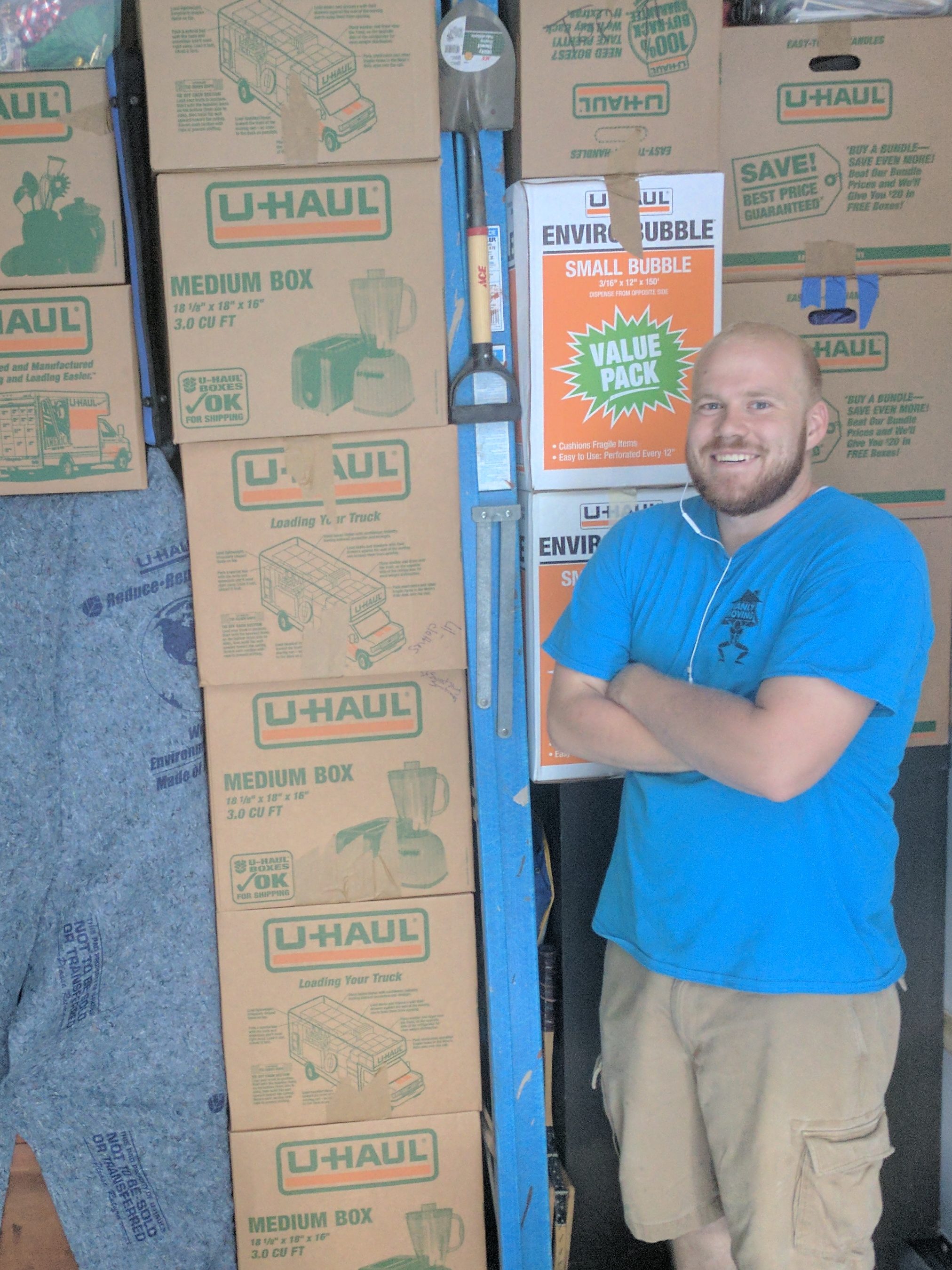
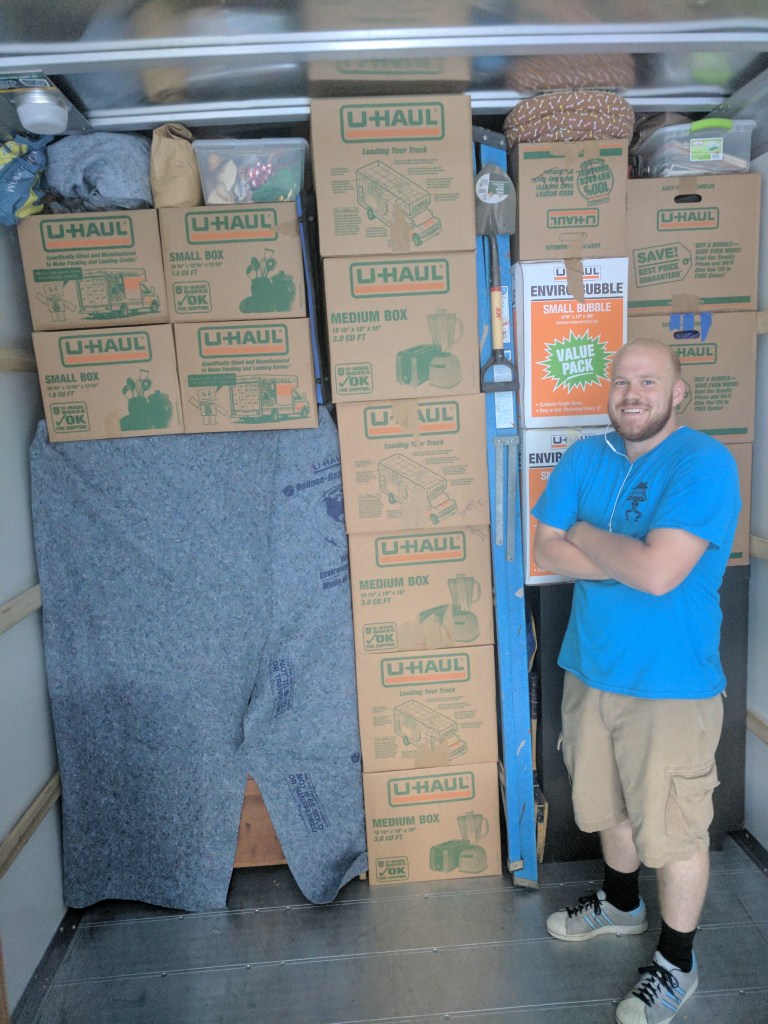
Customer moving who loaded this truck
1st Moving Variable: Your Hourly Wage & Moving Time Restraints
This is important to figure out first so that you know what your time is worth. If you work salary or hourly then you need to figure out based on the your moving timeframe if you can accomplish it without taking work off. If you need to take off work then your work wage needs to be included in a DIY move as you taking time off work to move may be an expense due to the money you could be earning if you didn’t take that time off. Self employed individuals need to know the value of their hourly time to know if it is worth it for them to taking time out of working to move.
Moving time frame is incredibly important to consider since moving can be time intensive and you might not be able to get the move done in time without hiring movers. There have been many times my moving company was hired last minute to help someone who was planning on moving themselves, but got in over their heads with it all. The average time for movers to pack up a room is around 1 hour per room, with storage rooms and kitchens being closer to 2 hours per room. Packing yourself takes more time because you tend to put more thought into packing and so your tend to double the packing time with it being about 2 hours to pack up a room with kitchens and storage rooms taking closer to 4 hours. Remember that a closet and pantry would be considered room so you need to count them as such. So now you just have to do the time math.
Moving yourself:
[_____ (# of standard rooms/ closets) x 2]
+ [_____(# of kitchens & Storage rooms) x 4]
= # of packing hours
[_____ (hourly wage) x _____ (# of packing hours)
= Approximate cost of moving yourself
Hiring a Moving Company to pack:
[_____ (# of standard rooms/ closets) x 1]
+ [_____(# of kitchens & Storage rooms) x 2]
= # of packing hours
[_____ (moving company hourly wage) x _____ (# of packing hours)
= Approximate cost of moving yourself
After completing the math you need to decide if you have the time to do the packing yourself or if you need to hire movers. Keep in mind that you can always hire movers to come and just pack up one room if you just need a little extra help. Speaking also from personal experience, packing can get really tedious and so expecting to pack for 8 hours straight on a day off can be a bigger project then you think.
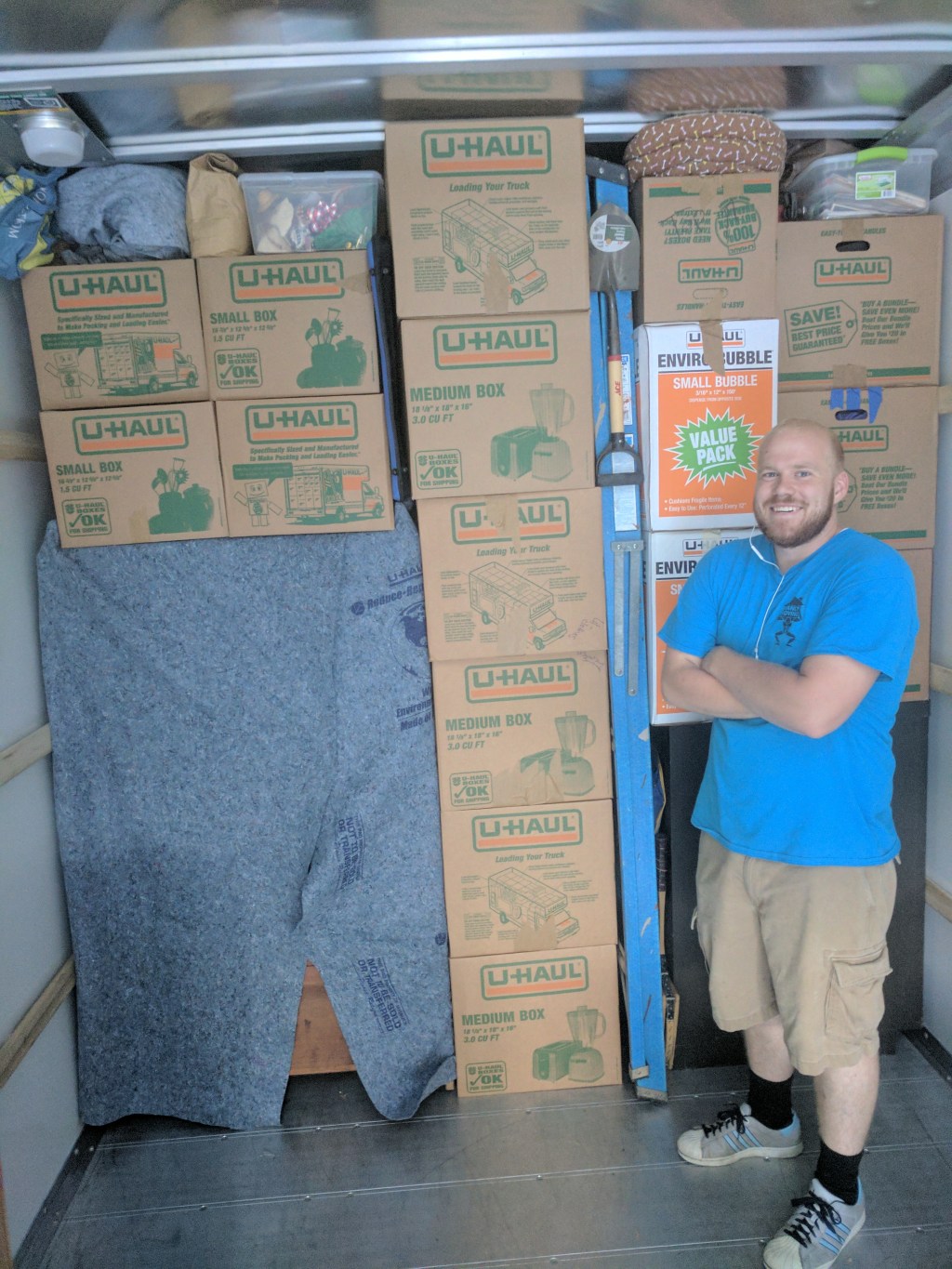
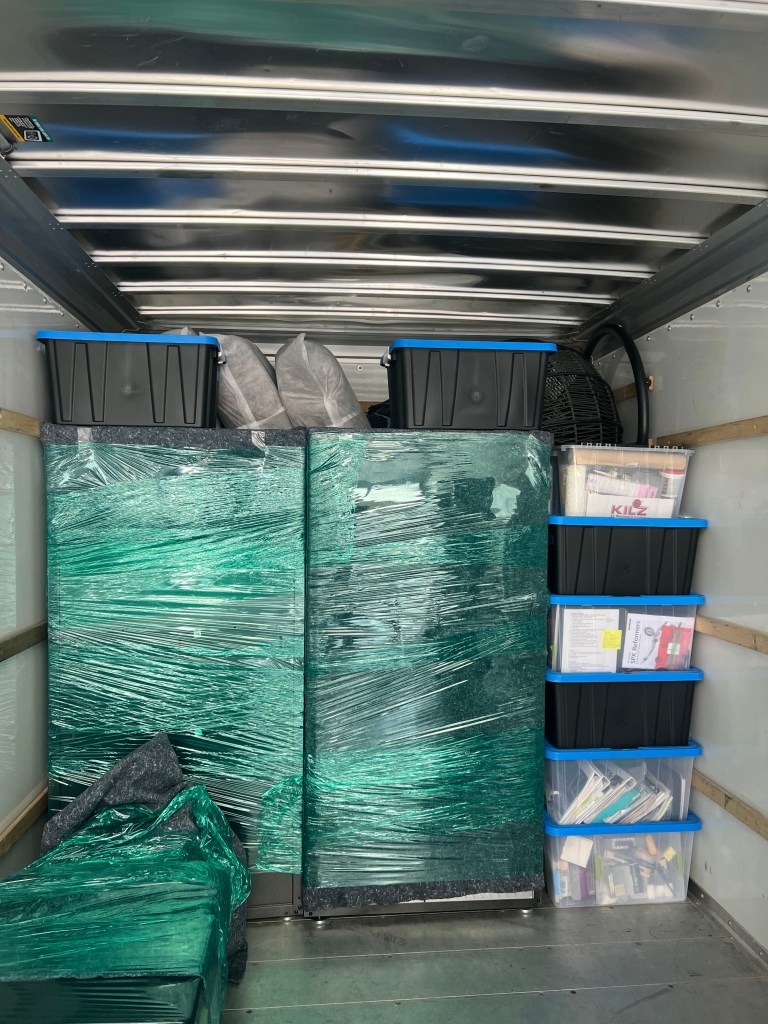
Moving Truck loaded by Manly Moving and load is very tight and furniture protected
2nd Moving Variable: Reliable Free Moving Help
I am going to be blunt and say that none of you friends or family are excited to come help you pack up your belongings and move them. They might say they are excited, but in reality they would rather do something else I would bet. So you knowing your friends you need to determine first who is reliable and wont back out of helping you move and leave you in a pinch and also who is capable of helping move your stuff and pack it up with the same care and attention you would or close to it. After being brutally honest with this assessment of your friends or moving help you can better decide if you can successfully move yourself or if you need to hire movers.
Finding reliable movers is also something that you need to consider. Hiring a moving company in advance with guarantee you a non-overbooked slot in their calendar and help ensure your movers will show up, make sure to confirm with your movers the day before they come, and lastly a moving company that takes a deposit on your move has a greater obligation to show up then a moving company that doesn’t.
3rd Moving Variable: Ability to Move & Weather
You need to be honest with yourself. If you are a month off of shoulder surgery or have a bad back or don’t have great cardio then you have to be honest with yourself that it either isn’t worth the risk of injury or it might be too much of a struggle to do it yourself. Also consider the same factors with the friends or help you are inviting to come help you. If you don’t know your moving help well enough then you might be guilting someone who struggles with back pain to come and move your stuff and you are putting them at risk. So really assess you and your help and whether they are up to the task and can handle to furniture you have with the equipment you have.
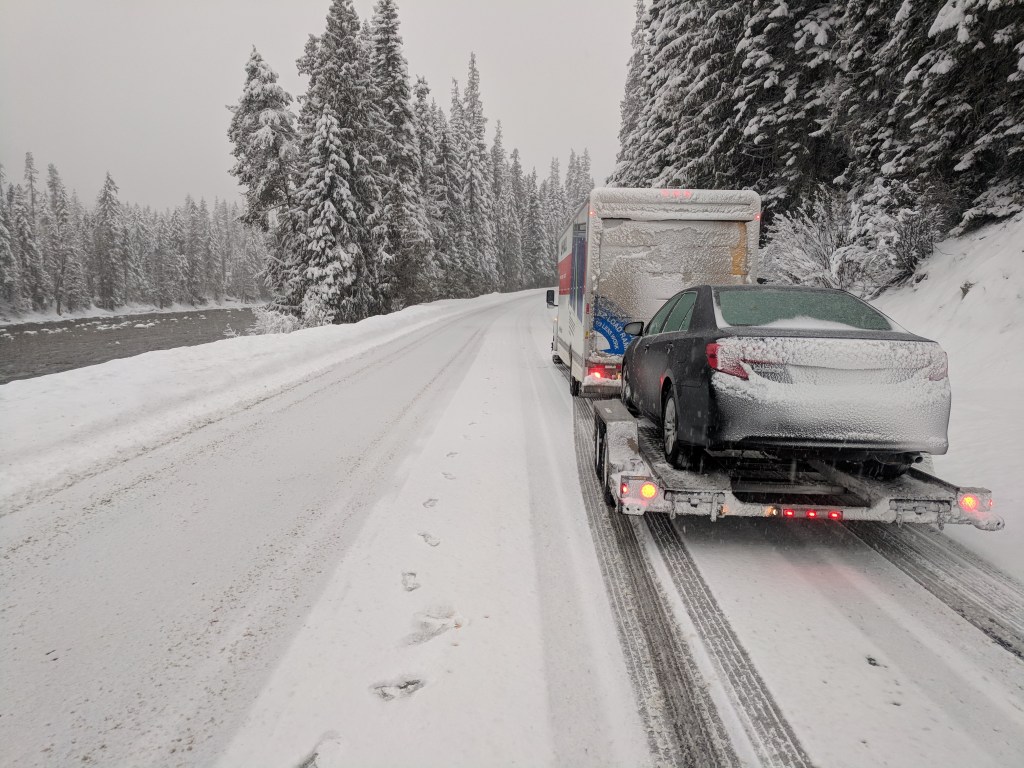
Weather around the time of your move can change whether or not you need movers as well. My moving company operates in Eastern Idaho as well as in Saint George, UT. These locations each have different moving challenges. Moving in Idaho can be tough in the winter months with snow and rain. Those make for a slick ramp. As a moving company we have special mats, ramps, and tricks to moving in the snow. Slipping on a ramp with a fridge on a dolly will not only badly injure the person, but also the fridge. With the trucks as well we come prepared with tire chains to get out of muddy and snowy conditions. In Saint George, UT we deal will high temperatures. The trucks essentially amplify the heat outside and can sometimes be 10 degrees hotter in the truck then outside. This just adds to the exhaustion of moving and that is why we hire athletic individuals who can handle those kinds of working conditions. Keeping the weather in mind is really important when deciding whether or not to move yourself.
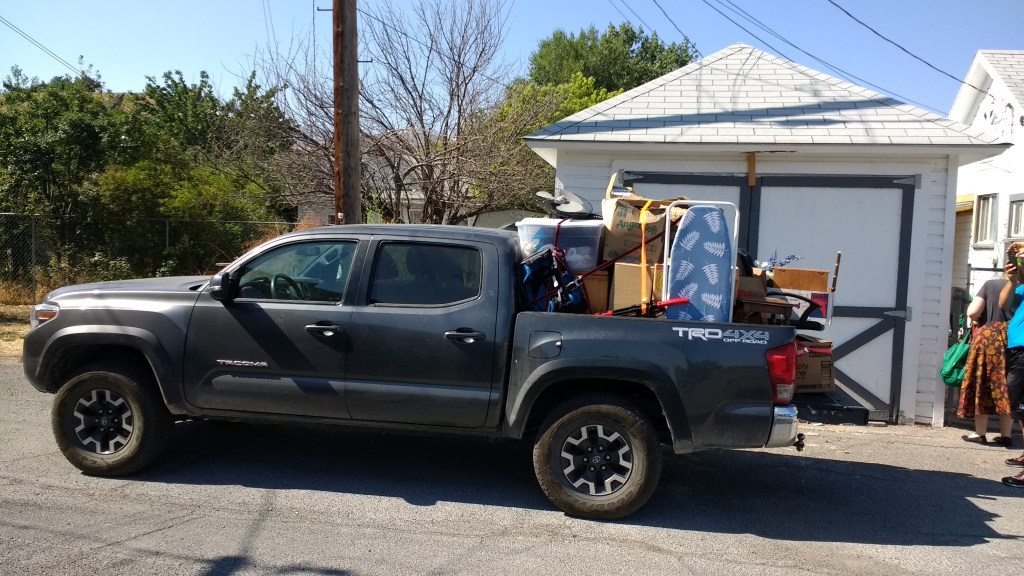
Uhaul truck that we drove for a customer who didn’t feel comfortable driving in the snow and ice
4th Moving Variable: Moving Liability (Is it worth the risk?)
Something people moving never think about is the liability you take on when you have friends and family help you move. Do you have insurance to cover or do you want to deal with a situation where someone get injured helping you move. Imagine yourself in several of these real life moving scenarios.
First imagine your dad comes to help you move and is unloading a truck. He is walking backward carrying a heavy couch. While so focused on gripping the couch and moving backward he misses the ramp with one foot and falls out of the moving truck landing on his elbow and shattering it. He now has to leave your move and go the the hospital because he is in a crazy amount of pain and that is the only person you had to help you move and you have to be out of your house by the end of the day. All the moving companies you try are already booked up for the day and now you have no options.
Second scenario you are moving a gun safe up some stairs with a buddy. You are sliding it up the stairs when it hangs up on the top step. It is so heavy and you are running out of energy. You try to get it to go over that top lip of the stairs and your hand slips and the weight of the gun safe comes on top of you and your friend. It not only breaks your ankle, but also your friend is pinned under the safe and it has put a huge hole in the wall of the home you just sold.
Third scenarios is you hire some neighbor kid to come help you with your move. He is dollying a glass curio cabinet that belonged to your grandma. You didn’t know he had grabbed it from the house and so you are not there to help him because you are taking apart beds. So while going up the ramp he is off on the ramp with one of the tires of the dolly and the cabinet starts to tip off the dolly. His reaction is to jump off the ramp and catch the cabinet so it doesn’t hit the ground. His hand goes on the glass and it breaks around his arm and puts a a big gash in his arm and the cabinet breaks in pieces all over the pavement.
These are a few scenarios that are similar to one’s i have seen in real life and could happen to you on your move. How would you handle these situations. Are you going to take care of their hospital bills or insurance? Are you going to be able to leave your move and take them to the hospital? With this cost plus the cost of replacing the furniture that got damaged would that cost have covered hiring movers? By moving yourself vs hiring movers you are excepting a risk and liability that you have to be prepared for. Most moves these kinds of things don’t happen, but there will be some chance something can happen and you have to be willing and able to absorb that risk. Hiring movers takes that risk and puts it on your movers.
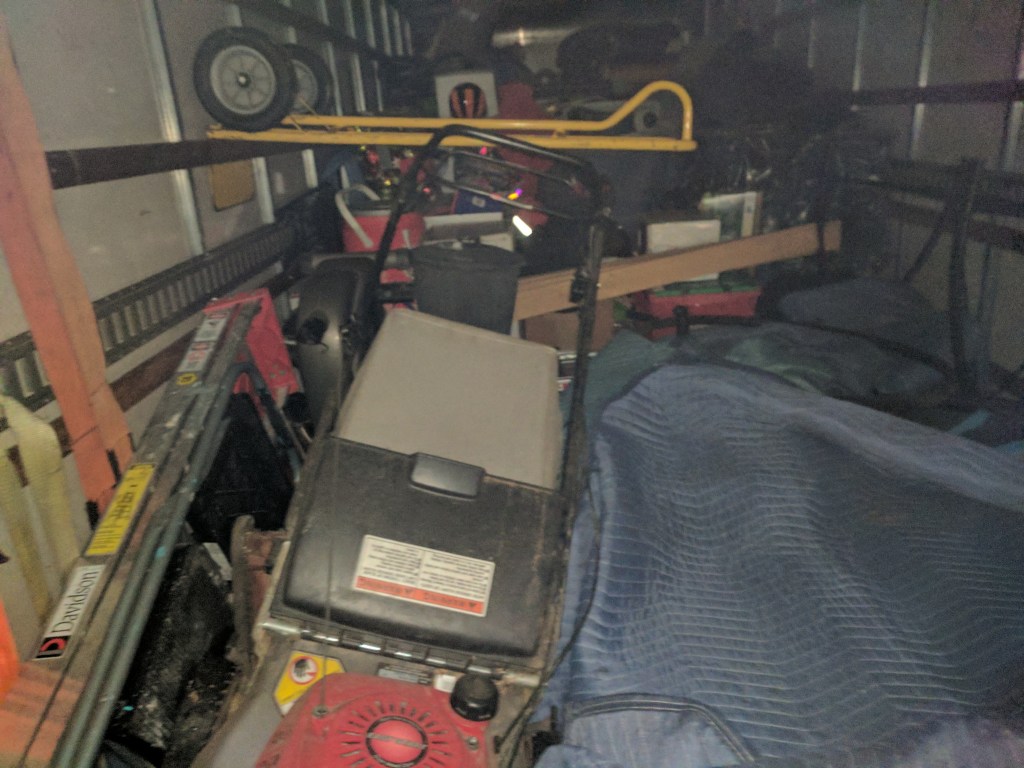
A moving truck we were hired to unload that was loaded very poorly
5th Moving Variable: Type of Furniture Being Moved
There are three factors that need to be considered with regards to the furniture you are moving and if you need to hire movers or not. The factors to consider are the weight of the furniture, the actual or sentimental value of your furniture, or the technicality of your furniture.
Weight is an easy moving factor to consider. With the weight of your furniture are you and those helping you able to handle, with out too much concern, the weight of the furniture in moving those items from point A to point B. Keep in mind too with the amount of stuff you are moving that you will have the energy and strength to handle all of it. Will you and whoever is helping you be able to move your heaviest items even after moving everything else?
Sentimental and actual value of an item is important. Movers are professionals of their field and they are trained to move difficult, expensive, and fragile furniture. Moving companies also carry valuation that protects you in case something does get damaged. So really you need to look at the replacement or repair costs if your tv or antique china hutch get damaged. Hiring movers you are not only having the safeguard of their valuation coverage, but also they are going o have the know how and moving equipment to not only move your furniture safely in and out of the truck. Hiring quality movers who know how to pack a moving truck so that everything is blanketed and protected from damage in transit is important. I personally have seen a whole load collapse when furniture wasn’t loaded properly and furniture got damaged. Is the cost of damages going to offset hiring movers.
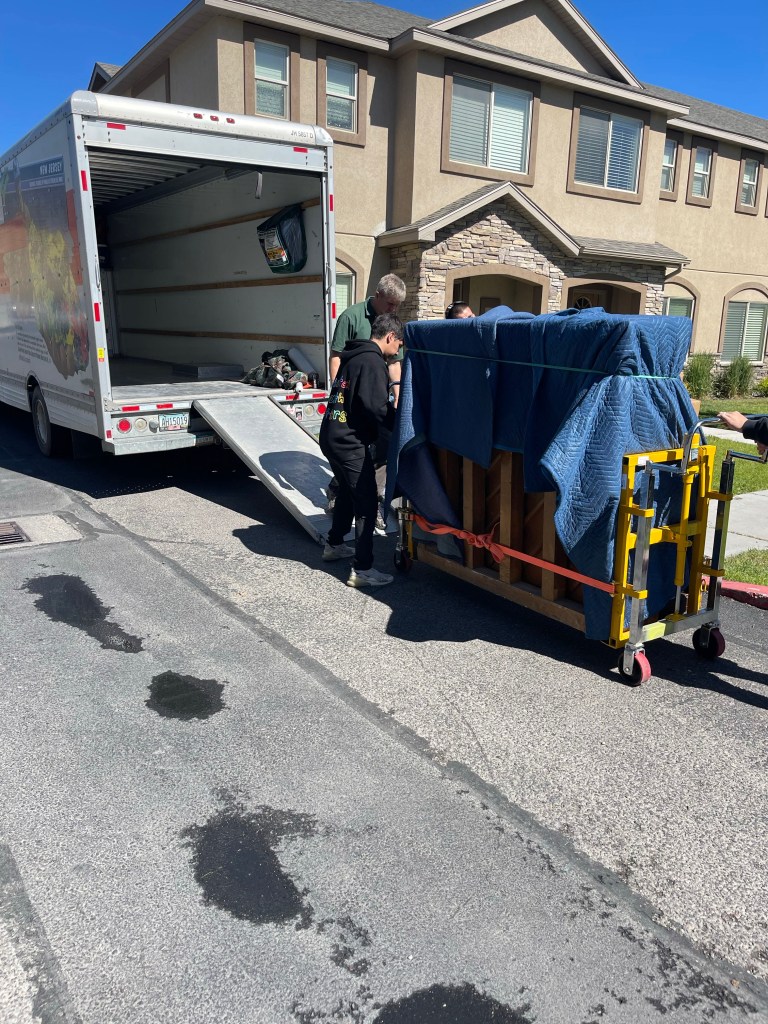
Technicality of moving can refer to the layout of the house making moving more difficult such as a set of stairs with a landing or even a narrow hallway. Handling heavy furniture through tough areas increases the risk of doing damages to furniture, walls, railings, etc. Having help or hiring movers that are skilled can reduce damages. Technicality can also refer to specialty furniture like grand pianos, pool tables, and grandfather clocks that need either special equipment to move or need to be moved in a special way. If you have any items that seem technical to move, you need to see if it is in your wheelhouse or not and whether you should hire a moving company to help you. Note also that some moving companies won’t move specialty items and you may have to hire specialty items movers.
We have special equipment to move really heavy furniture like pianos so they don’t get damaged.
6th Moving Variable: Distance
So this the really the last main variable to look at that determines whether it is cheaper to move yourself or hire a moving company. When moving the closer you move the cheaper things are. If you are moving next door then you can probably do the move cheaper yourself. However the further distance you are moving the higher the chance of your belongings getting damaged inside the truck. With ever bump the moving truck hits and ever turn the moving truck makes you have a chance of damages happening. Professional movers are trained to load trucks tight and can minimize these damages. If you take on the risk of moving yourself you have a higher risk of things getting damaged. For example someone moving in a colder climate might not take into account that plastic gets more brittle in the cold and so stacking too heavy with totes will result in a stack of totes collapsing. In warmer climates you might have things melt to the roof or totes collapse because the plastic softens with the heat and the stacks will collapse. These are things that I train my movers on when loading trucks among other things.
Another factor of distance is the cost of transportation. Some customers will assume that container shipping is the cheapest option and will way overpay and they may not know that containers ride rougher and have more touch points which increases the risk of damage to belongings. Going the truck route and driving yourself is often the most economical, but mover’s wont cover their loads if you drive it because they can’t ensure that you won’t drive recklessly. Also at times if you have a smaller move they can add it onto another move and sometimes make it cheaper then it would have been to move yourself with a rental truck.
Is it Cheaper to Move Yourself Rather than Hire Movers?
So really it comes down to how far you are moving and how confident you are in yourself and those helping you to properly load a truck, move heavy items, and not get injured. So if you choose to go the DIY move route then you are accepting the risks that go along with moving yourself. If you hire movers you take the risk off yourself. If you have really cheap furniture and very capable family and friends then it probably is cheaper to move yourself especially if you are going a short distance. However if you have nice or expensive furniture items then hiring movers will probably be worth it.
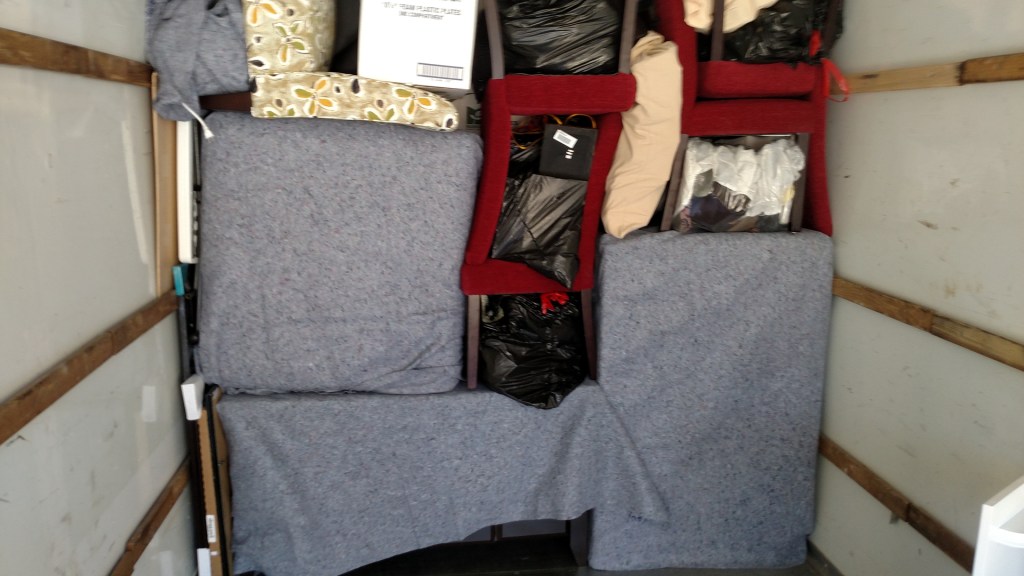
Tight moving truck loaded by Manly Moving so nothing would move in transportFurniture padded and wrapped so the items would be protected in the move.





 MANLY MOVING BLOG