You are giving away your home if you don’t do at least 3 of the following!
When it comes time to sell your home, every dollar counts. Whether you’re upgrading, downsizing, or relocating, you want to get the best possible return on your investment. Here’s a detailed guide on the top 10 ways to sell your house for more—smart, practical steps that can make a real difference in your final sale price.
1. Boost Curb Appeal
Curb appeal is your home’s first impression, and it can make or break a buyer’s interest. A well-kept exterior sets the expectation that the rest of the home is also cared for.
What to do:
Power wash siding, walkways, and driveways
Repaint or replace the front door
Plant seasonal flowers or shrubs
Mow the lawn and edge the garden beds
Install new house numbers or outdoor lighting
Small investments here can yield major results—according to real estate pros, curb appeal alone can increase your home’s value by up to 7-10%.
Staging is about making your home appeal to the broadest audience possible. It helps buyers envision the potential of the space and highlights your home’s best features.
Staging tips:
Rearrange furniture to open up spaces and create flow
Use neutral color palettes to appeal to more buyers
Add tasteful, minimal décor and fresh flowers
Remove excess furniture to make rooms feel larger
Use mirrors to reflect light and create a sense of openness
This can be a breeze by calling Manly Moving and have us quickly rearrange things and we can take your items to storage. We can make this step quick and stress-free. Homes that are staged spend less time on the market and typically sell for 5-10% more than unstaged homes.
3. Make Smart Upgrades
Not all renovations are created equal. Focus on improvements that offer a high return on investment (ROI), especially in key areas like the kitchen and bathrooms.
High-ROI upgrades:
Replacing outdated countertops with quartz or granite
Installing a new backsplash
Updating light fixtures and cabinet hardware
Repainting walls with modern, neutral colors
Installing a new vanity or mirror in bathrooms
Avoid overly personal or trendy upgrades that may not appeal to all buyers. Stick with timeless improvements that add functionality and style.
Your real estate agent is your partner in maximizing your home sale. A top-performing agent brings market insight, negotiation expertise, and a wide network of potential buyers.
What a great agent provides:
A detailed market analysis to price your home competitively
A professional marketing strategy (including MLS, social media, and virtual tours)
Access to high-quality photographers and stagers
Skilled negotiation to get you the best terms and price
Don’t choose your agent based solely on friendship or fees—look for someone with a strong local track record and excellent reviews.
10. Highlight Energy Efficiency and Smart Features
Modern buyers care about energy efficiency, smart tech, and long-term savings. If your home has upgrades, make sure they’re front and center in your marketing.
What to showcase:
Smart thermostats (Nest, Ecobee)
Solar panels
Energy-efficient windows or appliances
Insulation and HVAC improvements
Smart lighting, locks, or security systems
Create a “features list” that highlights these benefits. Not only do they add appeal—they can justify a higher asking price.
Selling your home for top dollar doesn’t have to involve major renovations or risky market timing. With the right preparation and strategies, you can significantly increase your home’s value and attract serious buyers.
Take the time to invest in presentation, partner with a skilled agent, and position your home in the best possible light. Your future buyer is out there—let’s make sure they fall in love the moment they walk through the door.
We hope you found these tips useful and we at Manly Moving are here not just to help you move from A to B, but also to have the whole process of moving go easier for you and to save you money! Call us for a free moving estimate 855-997-1881.
Hiring Movers vs Moving Yourself. Is moving yourself the cheapest option? We wanted to explore the pros and cons of hiring movers and moving yourself so you can know which option is best for you.
Pros & Cons of Moving Yourself VS Hiring Movers
So moving yourself can have lots of pros and cons so lets get into if this is your cheapest option and look at some variables that might change whether it is worth it or not. Moving yourself isn’t always going to be your cheapest option. Whether or not a DIY move is your best option depends on the variables we are going to look at below and talk about how each variable could change your best option and change what moving option is best for you and your wallet.
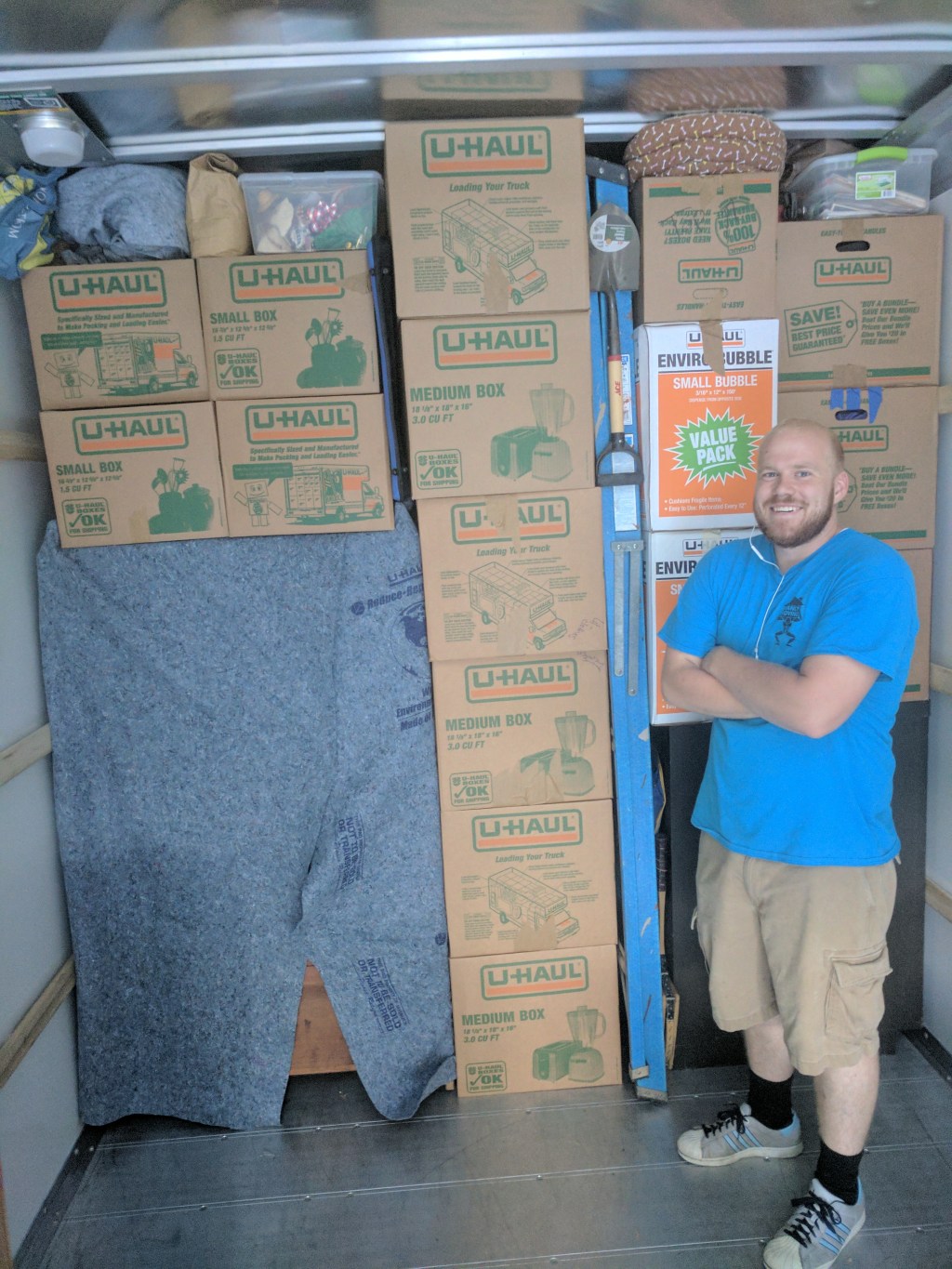
Customer moving who loaded this truck
1st Moving Variable: Your Hourly Wage & Moving Time Restraints
This is important to figure out first so that you know what your time is worth. If you work salary or hourly then you need to figure out based on the your moving timeframe if you can accomplish it without taking work off. If you need to take off work then your work wage needs to be included in a DIY move as you taking time off work to move may be an expense due to the money you could be earning if you didn’t take that time off. Self employed individuals need to know the value of their hourly time to know if it is worth it for them to taking time out of working to move.
Moving time frame is incredibly important to consider since moving can be time intensive and you might not be able to get the move done in time without hiring movers. There have been many times my moving company was hired last minute to help someone who was planning on moving themselves, but got in over their heads with it all. The average time for movers to pack up a room is around 1 hour per room, with storage rooms and kitchens being closer to 2 hours per room. Packing yourself takes more time because you tend to put more thought into packing and so your tend to double the packing time with it being about 2 hours to pack up a room with kitchens and storage rooms taking closer to 4 hours. Remember that a closet and pantry would be considered room so you need to count them as such. So now you just have to do the time math.
Moving yourself:
[_____ (# of standard rooms/ closets) x 2]
+ [_____(# of kitchens & Storage rooms) x 4]
= # of packing hours
[_____ (hourly wage) x _____ (# of packing hours)
= Approximate cost of moving yourself
Hiring a Moving Company to pack:
[_____ (# of standard rooms/ closets) x 1]
+ [_____(# of kitchens & Storage rooms) x 2]
= # of packing hours
[_____ (moving company hourly wage) x _____ (# of packing hours)
= Approximate cost of moving yourself
After completing the math you need to decide if you have the time to do the packing yourself or if you need to hire movers. Keep in mind that you can always hire movers to come and just pack up one room if you just need a little extra help. Speaking also from personal experience, packing can get really tedious and so expecting to pack for 8 hours straight on a day off can be a bigger project then you think.
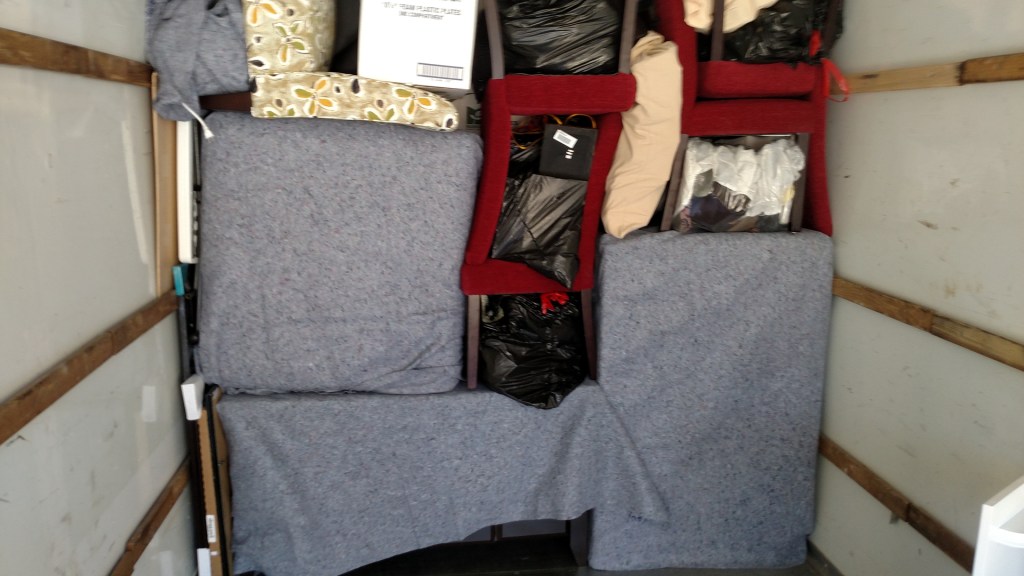
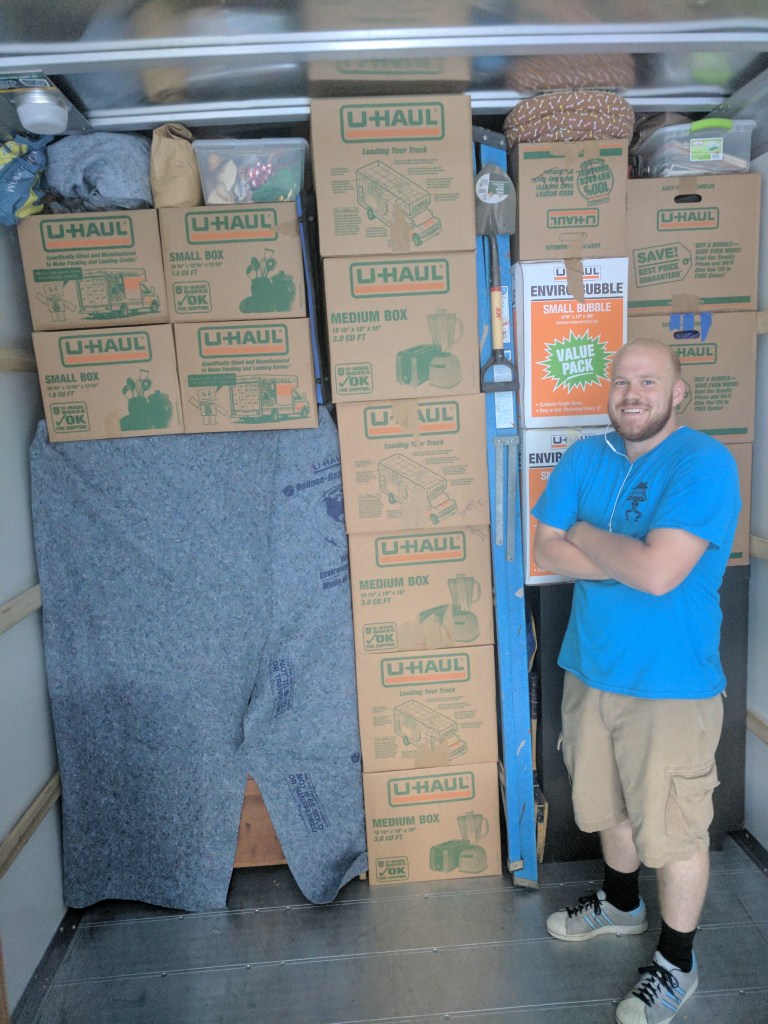
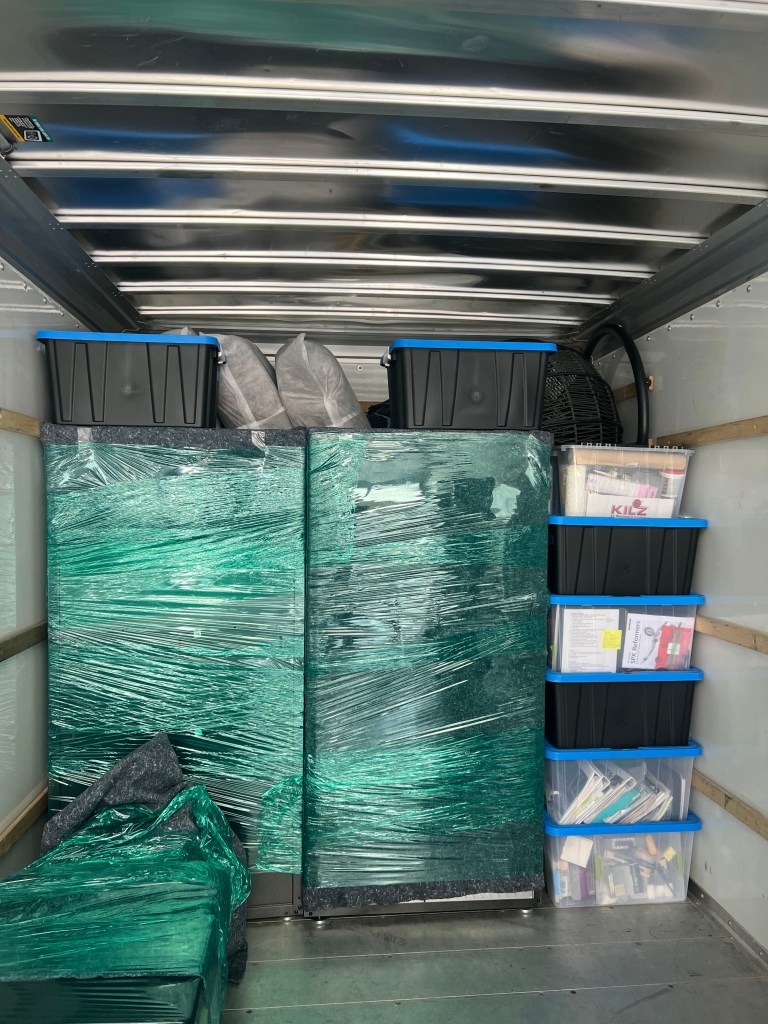
Moving Truck loaded by Manly Moving and load is very tight and furniture protected
2nd Moving Variable: Reliable Free Moving Help
I am going to be blunt and say that none of you friends or family are excited to come help you pack up your belongings and move them. They might say they are excited, but in reality they would rather do something else I would bet. So you knowing your friends you need to determine first who is reliable and wont back out of helping you move and leave you in a pinch and also who is capable of helping move your stuff and pack it up with the same care and attention you would or close to it. After being brutally honest with this assessment of your friends or moving help you can better decide if you can successfully move yourself or if you need to hire movers.
Finding reliable movers is also something that you need to consider. Hiring a moving company in advance with guarantee you a non-overbooked slot in their calendar and help ensure your movers will show up, make sure to confirm with your movers the day before they come, and lastly a moving company that takes a deposit on your move has a greater obligation to show up then a moving company that doesn’t.
3rd Moving Variable: Ability to Move & Weather
You need to be honest with yourself. If you are a month off of shoulder surgery or have a bad back or don’t have great cardio then you have to be honest with yourself that it either isn’t worth the risk of injury or it might be too much of a struggle to do it yourself. Also consider the same factors with the friends or help you are inviting to come help you. If you don’t know your moving help well enough then you might be guilting someone who struggles with back pain to come and move your stuff and you are putting them at risk. So really assess you and your help and whether they are up to the task and can handle to furniture you have with the equipment you have.
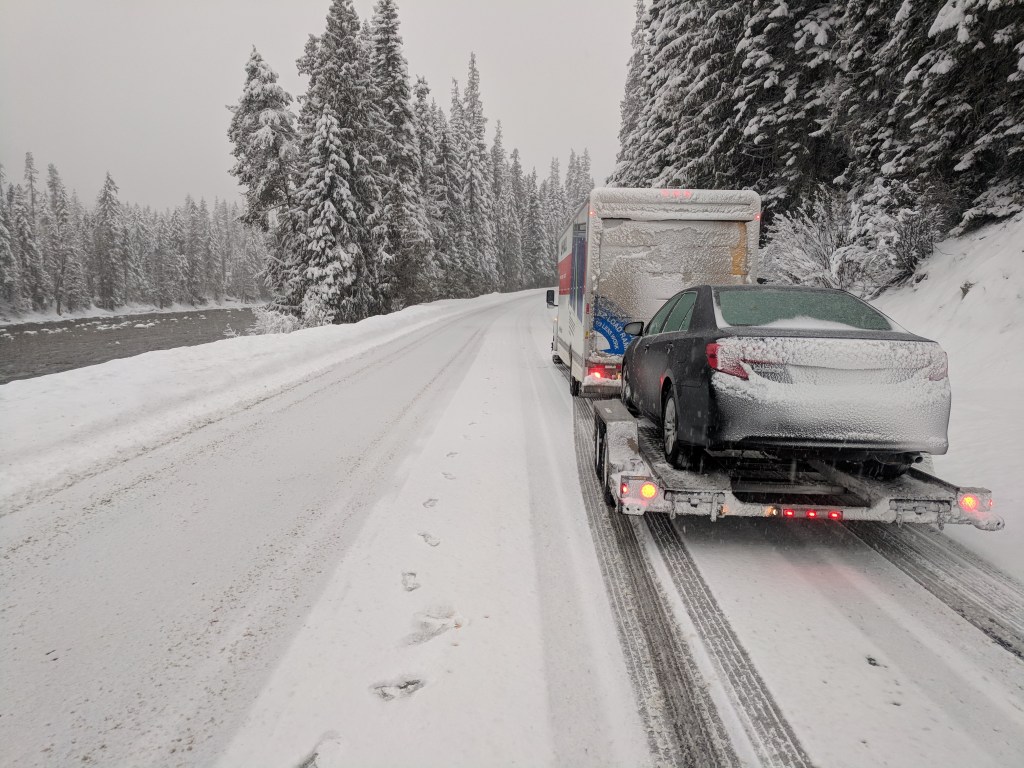
Weather around the time of your move can change whether or not you need movers as well. My moving company operates in Eastern Idaho as well as in Saint George, UT. These locations each have different moving challenges. Moving in Idaho can be tough in the winter months with snow and rain. Those make for a slick ramp. As a moving company we have special mats, ramps, and tricks to moving in the snow. Slipping on a ramp with a fridge on a dolly will not only badly injure the person, but also the fridge. With the trucks as well we come prepared with tire chains to get out of muddy and snowy conditions. In Saint George, UT we deal will high temperatures. The trucks essentially amplify the heat outside and can sometimes be 10 degrees hotter in the truck then outside. This just adds to the exhaustion of moving and that is why we hire athletic individuals who can handle those kinds of working conditions. Keeping the weather in mind is really important when deciding whether or not to move yourself.
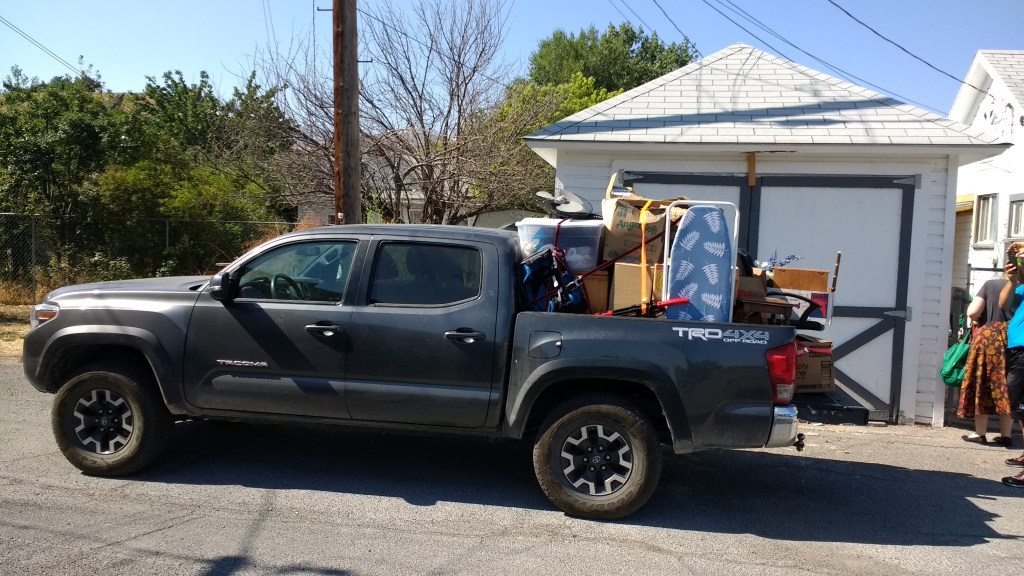
Uhaul truck that we drove for a customer who didn’t feel comfortable driving in the snow and ice
4th Moving Variable: Moving Liability (Is it worth the risk?)
Something people moving never think about is the liability you take on when you have friends and family help you move. Do you have insurance to cover or do you want to deal with a situation where someone get injured helping you move. Imagine yourself in several of these real life moving scenarios.
First imagine your dad comes to help you move and is unloading a truck. He is walking backward carrying a heavy couch. While so focused on gripping the couch and moving backward he misses the ramp with one foot and falls out of the moving truck landing on his elbow and shattering it. He now has to leave your move and go the the hospital because he is in a crazy amount of pain and that is the only person you had to help you move and you have to be out of your house by the end of the day. All the moving companies you try are already booked up for the day and now you have no options.
Second scenario you are moving a gun safe up some stairs with a buddy. You are sliding it up the stairs when it hangs up on the top step. It is so heavy and you are running out of energy. You try to get it to go over that top lip of the stairs and your hand slips and the weight of the gun safe comes on top of you and your friend. It not only breaks your ankle, but also your friend is pinned under the safe and it has put a huge hole in the wall of the home you just sold.
Third scenarios is you hire some neighbor kid to come help you with your move. He is dollying a glass curio cabinet that belonged to your grandma. You didn’t know he had grabbed it from the house and so you are not there to help him because you are taking apart beds. So while going up the ramp he is off on the ramp with one of the tires of the dolly and the cabinet starts to tip off the dolly. His reaction is to jump off the ramp and catch the cabinet so it doesn’t hit the ground. His hand goes on the glass and it breaks around his arm and puts a a big gash in his arm and the cabinet breaks in pieces all over the pavement.
These are a few scenarios that are similar to one’s i have seen in real life and could happen to you on your move. How would you handle these situations. Are you going to take care of their hospital bills or insurance? Are you going to be able to leave your move and take them to the hospital? With this cost plus the cost of replacing the furniture that got damaged would that cost have covered hiring movers? By moving yourself vs hiring movers you are excepting a risk and liability that you have to be prepared for. Most moves these kinds of things don’t happen, but there will be some chance something can happen and you have to be willing and able to absorb that risk. Hiring movers takes that risk and puts it on your movers.
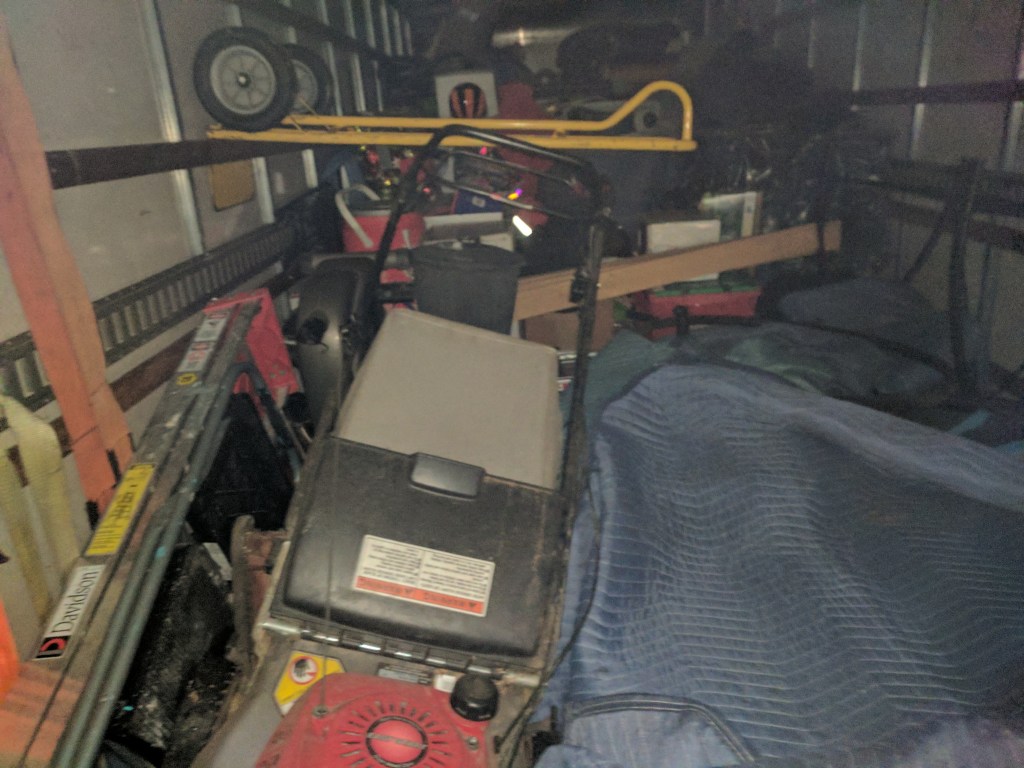
A moving truck we were hired to unload that was loaded very poorly
5th Moving Variable: Type of Furniture Being Moved
There are three factors that need to be considered with regards to the furniture you are moving and if you need to hire movers or not. The factors to consider are the weight of the furniture, the actual or sentimental value of your furniture, or the technicality of your furniture.
Weight is an easy moving factor to consider. With the weight of your furniture are you and those helping you able to handle, with out too much concern, the weight of the furniture in moving those items from point A to point B. Keep in mind too with the amount of stuff you are moving that you will have the energy and strength to handle all of it. Will you and whoever is helping you be able to move your heaviest items even after moving everything else?
Sentimental and actual value of an item is important. Movers are professionals of their field and they are trained to move difficult, expensive, and fragile furniture. Moving companies also carry valuation that protects you in case something does get damaged. So really you need to look at the replacement or repair costs if your tv or antique china hutch get damaged. Hiring movers you are not only having the safeguard of their valuation coverage, but also they are going o have the know how and moving equipment to not only move your furniture safely in and out of the truck. Hiring quality movers who know how to pack a moving truck so that everything is blanketed and protected from damage in transit is important. I personally have seen a whole load collapse when furniture wasn’t loaded properly and furniture got damaged. Is the cost of damages going to offset hiring movers.
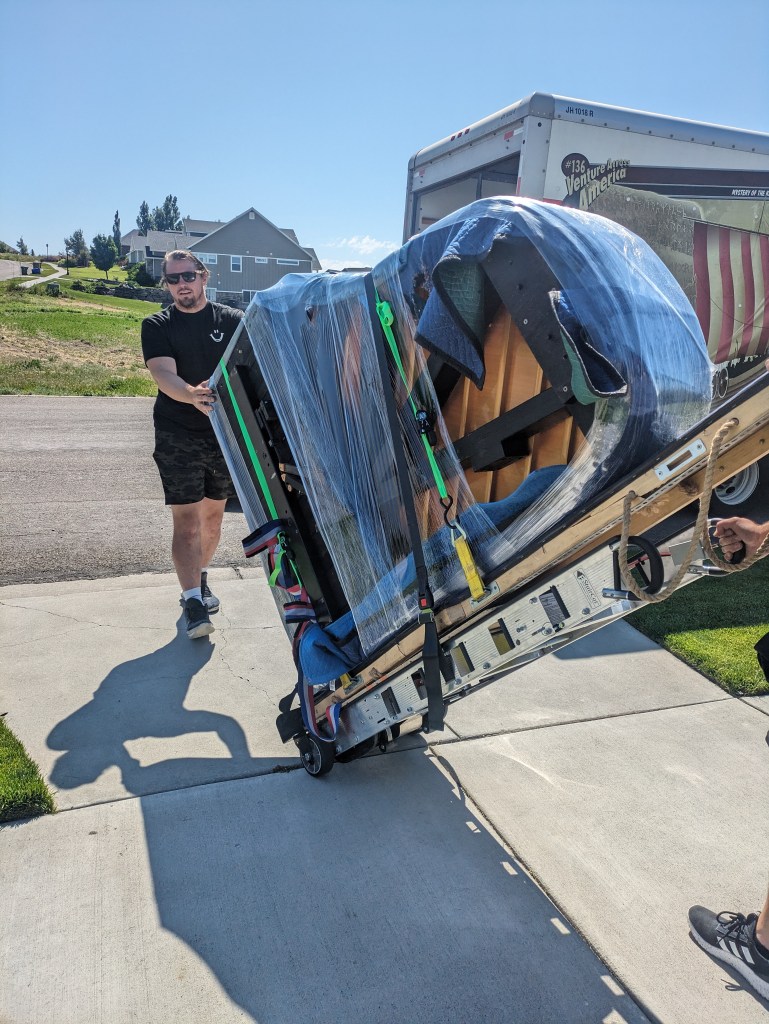
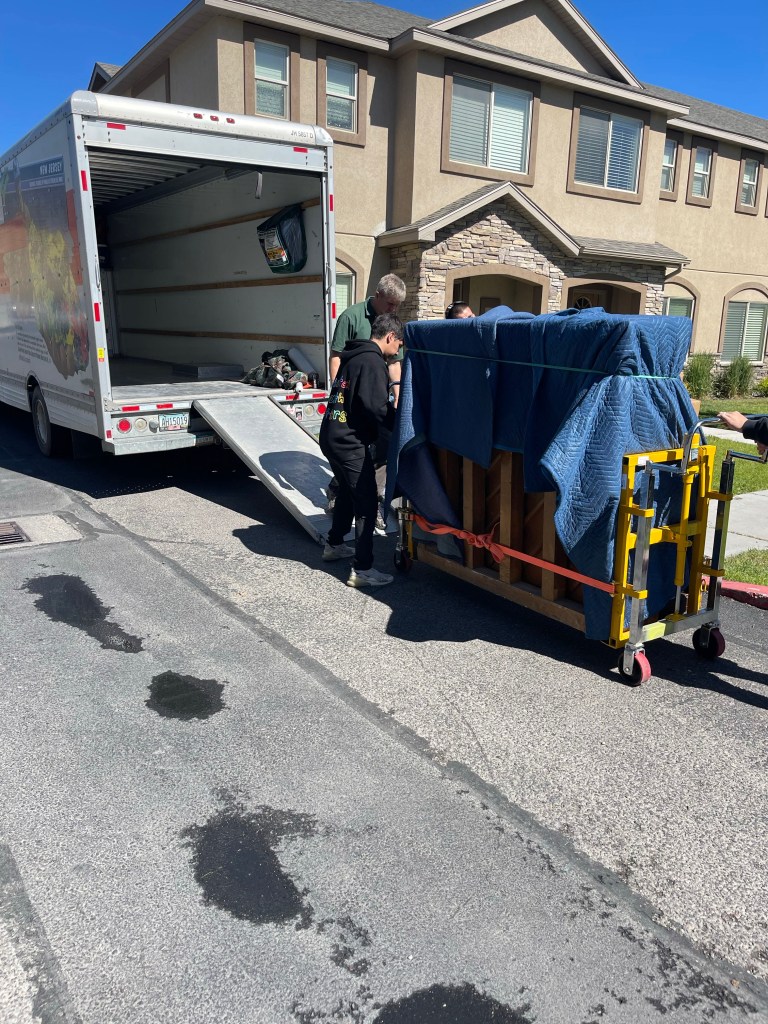
Technicality of moving can refer to the layout of the house making moving more difficult such as a set of stairs with a landing or even a narrow hallway. Handling heavy furniture through tough areas increases the risk of doing damages to furniture, walls, railings, etc. Having help or hiring movers that are skilled can reduce damages. Technicality can also refer to specialty furniture like grand pianos, pool tables, and grandfather clocks that need either special equipment to move or need to be moved in a special way. If you have any items that seem technical to move, you need to see if it is in your wheelhouse or not and whether you should hire a moving company to help you. Note also that some moving companies won’t move specialty items and you may have to hire specialty items movers.
We have special equipment to move really heavy furniture like pianos so they don’t get damaged.
6th Moving Variable: Distance
So this the really the last main variable to look at that determines whether it is cheaper to move yourself or hire a moving company. When moving the closer you move the cheaper things are. If you are moving next door then you can probably do the move cheaper yourself. However the further distance you are moving the higher the chance of your belongings getting damaged inside the truck. With ever bump the moving truck hits and ever turn the moving truck makes you have a chance of damages happening. Professional movers are trained to load trucks tight and can minimize these damages. If you take on the risk of moving yourself you have a higher risk of things getting damaged. For example someone moving in a colder climate might not take into account that plastic gets more brittle in the cold and so stacking too heavy with totes will result in a stack of totes collapsing. In warmer climates you might have things melt to the roof or totes collapse because the plastic softens with the heat and the stacks will collapse. These are things that I train my movers on when loading trucks among other things.
Another factor of distance is the cost of transportation. Some customers will assume that container shipping is the cheapest option and will way overpay and they may not know that containers ride rougher and have more touch points which increases the risk of damage to belongings. Going the truck route and driving yourself is often the most economical, but mover’s wont cover their loads if you drive it because they can’t ensure that you won’t drive recklessly. Also at times if you have a smaller move they can add it onto another move and sometimes make it cheaper then it would have been to move yourself with a rental truck.
Is it Cheaper to Move Yourself Rather than Hire Movers?
So really it comes down to how far you are moving and how confident you are in yourself and those helping you to properly load a truck, move heavy items, and not get injured. So if you choose to go the DIY move route then you are accepting the risks that go along with moving yourself. If you hire movers you take the risk off yourself. If you have really cheap furniture and very capable family and friends then it probably is cheaper to move yourself especially if you are going a short distance. However if you have nice or expensive furniture items then hiring movers will probably be worth it.
Tight moving truck loaded by Manly Moving so nothing would move in transportFurniture padded and wrapped so the items would be protected in the move.
Moving is one of the Top 5 move stressful Events in a persons Life. Organization is key in any successful & Stress-Free move! Sorry in advance because there is a ton of information here, but you will be glad you read it all.
The “Moving Binder is for keeping all your must have items for your new house and moving day so you can find it when you need to. I have another blog post where I lay out what should be in your moving binder and box, but some examples are: Locks for the truck and storage unit, checkbook, first aid kit, medications, calendar, moving checklists like this one 🙂
Sell or Donate or Trash
Decluttering and downsizing can save you a lot of money on a move. It could help you go from 2 trucks down to 1. Also there is no better time to do these three things then when you are going through everything to start packing it. So I suggest you create 3 piles in your garage or a space you have open and start sorting through things. If you have a moving company lined up you can hire them once you have your piles made and they can do a few hours one day taking things to the dump and donation center. Keep in mind if you are moving interstate moving companies charge by cuft or lbs so the more you get rid of the cheaper your move will be.
Request Work Off
We know this is not always possible especially if you are starting a new job, but do what you can so that you can be there that day to oversee everything. Also beware of trying to move the day you are closing on a house. Things happen and having everyone at your house waiting for you to close can be a lot of stress on you.
Make or Fill Out a Packing Game Plan
Set a goal of how many boxes to pack everyday or what rooms need to be packed by when. I would suggest something like after dinner every night pack 3 boxes. You can always adjust as the date gets closer. Also plan around rooms that have stuff you won’t need, like the ski gear that you wont need till next winter.
Plan Out your New House
If you have an idea of what your new house will be like then you can plan out where rooms will go or major furniture items. For example you might plan on your new couch going to the basement of the house you move into because you are getting new couches. You might also plan on your sons sharing a room so you can start labelling the boxes in that room as boy’s room or bedroom 2.
Plan on How to Move Plants and Pets
Most moving companies won’t move plants or pets so look at your options. This might be a friend flying our with your dog or finding a mover that will put your plants in their truck, or having someone take care of a plant for you till you can get it moved in the right weather.
Schedule Vaccinations & Grooming
Getting these items taken care of before the crunch time of moving hits will relieve a lot of stress. This also helps because if you wait till after your move it might take time to find a vet and grooming place that can get you in their schedule.
Find Pet Care for the Day of Your Move
Sometimes getting friends to help you move is hard, but they might gladly watch your dog for the day. Also you might be able to have your dog scheduled to get groomed the day of your move and that will give you a day of free boarding. I have personally been on moves with dogs that have gotten out and run away or a mover gets hurt tripping over a dog they didn’t see.
Find Child Care for the Day of Your Move
This should be done in advance so if you need to fly family out you can get cheaper tickets, or if you need to work around other people’s schedules this can allow you flexibility. Although it is totally possible to move with small kids, it often is a long a boring day for them and I have seen it where parents yell a lot at their kids because they are stressed and the kids are simply bored and curious.
Plan out Your Meals
Food is a pain to move. Planning out your meals to use up food in your fridge and freezer will simplify your move in a lot of ways especially if you are moving across the country. Also the more you eat the less you have to pack up. That saves you money on boxes. Try using sites like http://www.allrecepies.com to select meals by the food you need to use up.
Research New Area
If you are moving around the corner you don’t need to worry about this, but in your moving binder it is good to keep a sheet of places you might need to know the address and phone number of when you get to your new home. For example if someone gets hurt unloading the truck, knowing where the nearest urgent care in your insurance network would be helpful.
Address Change Checklist*
I have made a whole checklist with organizations and place you might need to change your address with before you move, even if you are moving locally. Examples of where you need to change your address is: your bank, Amazon, post office, automobile insurance, and schools to name a few.
4 Weeks to Moving Day
Book Movers
As an owner of a moving company I can say that movers are busiest during the summer months and at the end of each month they are busiest. Some moving companies charge peak moving time rates. Booking the right movers takes doing your homework. Ask friends, family, community, and look at reviews to see what moving company fits the mold you are looking for. Check their rates, ask about the additional services they offer and ask about any additional fees. There are moving companies that have stair fees, booking fees, etc.
Important – Do not use a moving broker. You have no control over the quality and trustworthiness of the movers they hire. Using a moving lead provider can be hit or miss as well if you rely on their reviews to be accurate. The best is to go straight to the moving companies themselves. The moving industry is known for having so dishonest companies out there that will hold your stuff for ransom so do your homework.
Book Specialty Movers
Specialty Movers are movers that move items like gun safes, pianos, hot tubs, pool tables, crate items, etc. Manly Moving is a do-it-all moving service, but a lot of moving companies won’t touch specialty items and so you might have to look up piano movers to find a company to move your piano. These items require special equipment to move.
Book Storage
Storage can sometimes be in short supply. Some moving companies like ours can do storage, but depending on which end of your move needs storage and the kind of storage you need and the amount might vary. So book storage in advance to make sure you can get the storage that fits your needs. Keep in mind that you might need climate controlled storage for certain items you could be storing.
Book Moving Rental Truck
Moving truck rentals can vary in price based on supply and demand of trucks. Check out the moving truck rental rates, which ones have pickup and drop off locations at both ends of your move and what their insurance looks like for them. If you plan on using your own auto insurance, make sure it covers the size of moving truck that you need. Call Manly Moving (208-656-2636) and we can find you the best truck price we can and get a truck rented for you.
Book Cleaners
Moving companies sometimes offer cleaning services or have a good company to refer.
Plan Out Your Route or Transportation
Figure out the logistics of your move. Figure out how you plan to get to your new house with all your belongings and family and cars. If you need to get a car shipped check with you mover to see your options or find a hotshot company that will transport your car.
Book Plane Tickets
Set up a price alert for your flight so if the price goes down you get notified and book your flight with tickets that can be cancelled just in the case that the house sale falls through or there is a medical emergency.
Book Housing/Hotel/Motel Rooms
Depending on the amount of time between your loading date and unloading date will change the type of housing, rental space, or hotels you will book. If you can book these hotels so they are refundable in advance that will simplify things later, but if you are driving your own moving truck and it breaks down then all that planning will be wasted. I usually book my hotels on the road the each morning for the following night.
Take Pictures of Shelves, Counters, and Display Walls
This is mostly for helping those that have things set up or displayed a certain way and want it displayed or set up that way at their new house and don’t want to have to try and remember it.
Take Pictures of Electronic Hookups
Taking pictures like these will not only help you hook it up the right way again, but sometimes TVs may have labelled HDMI inputs and this makes it so you don’t have to relabel them.
Take Pictures of Furniture, Walls, and Flooring
Sometimes before moving it is good to know what the pre-moving condition of things was in the case of claims with a service provider and moving company.
Purchase Packing Supplies & Materials
Talk to your mover to see if they will deliver for free and check box prices. I suggest going with U-Haul boxes because they allow for the tightest pack in a truck. If you do end up getting used boxes, try to get boxes that are similar in length or depth.
Return Borrowed/Loaned Items
Before you move it is easier to return borrowed items and this could include things like library books. After you move it gets way more difficult to do this.
Collect Items Borrowed/Loaned Out
Remember who you have lent stuff to and get it before you more or you may never see it again.
Back Up Computer & Other Important Data
Moving can be hard on things. You have a truck bouncing down the road for 30 hours can take its toll on the small components. It never hurts to make sure everything is backed up to the cloud or flash drive to be safe.
Start Packing
Packing is a huge undertaking and so the sooner you can start piecing away at it the better off you will be when the crunch time his in the week before moving.
Use a Deep Cleaning Checklist
If you start deep cleaning, then the final cleanup before moving will be way less of an overtaking. There are some awesome deep clean checklists out there.
Catch Pets Up on Vaccinations & Grooming
Hopefully you were able to schedule your vaccinations and grooming during this time so you have less to worry about when moving, but the type of pet might change when the ideal time to attack this is.
3 Weeks to Moving Day
Keep Packing
As mentioned above, the more you can piece away at packing the less overwhelming it will be.
Keep Deep Cleaning
Like packing this just helps make the last weeks up till your move a lot easier.
Host a Garage Sale or Sell Stuff Online
Now is a good time to sell that pile of stuff you accumulated.
Take Stuff to a Donation Center and/or Dump
Now is a good time to clear out the other piles to make room now for all the other boxes you are packing up so you now have more room to stage them.
2 Weeks to Moving Day
Keep Packing
Keep Deep Cleaning
Reconfirm Travel Arrangements/ Reservations
It is always good to doublecheck now that the move is getting closer that the moving and travel dates are still accurate.
Pack & Prep Move-out Day Cleaning Kit
This cleaning kit is a box of just a few basic cleaning supplies and items that you will keep out to do the final light cleaning on your moving day and the day before moving. This kit is also handy to pack last in the truck so you can unload it first at your new house and clean anything that needs touchup before you start unpacking boxes.
Service Vehicles
I always like to have this done before I go on a long trip, but it is good even to take advantage of servicing your vehicles at locations you are familiar with and trust to service your vehicles right.
Label Furniture Locations in New Home
Preparation is power. If you know the layout of your new home you can plan what furniture will go where. Under the situation where you have access early to the new home then if you can label floors and walls with masking tape showing where those items go, then you will be super ready for moving day.
1 Week to Moving Day
Keep Packing
Keep Cleaning
Finalize Kid & Pet Care
Check to make sure those watching your kids and pets on the day of your move are still planning on it.
Finalize Moving Arrangements
Make sure you are on the mover’s schedule. Check truck prices to see if they have changed and check any other arrangements around your move.
Reserve Elevators & Parking
If you live in an apartment building or an area with reserved parking talk to the property management company to get these things reserved so you can have a quick move.
Confirm Utilities are Scheduled
When moving you need to schedule your utilities to be turned off when you move out and have them scheduled at the house you are moving into so you have utilities when you move in.
Schedule Locksmith at New House
Scheduling a locksmith to change your locks at your new home will keep you and your family safe since you don’t know for sure who has access to your new home.
Schedule Internet Hookup and Service Termination
Schedule Cable/Dish Hookup and Service Termination
Schedule Cleaners for Both Locations
Cleaners are professionals in their field. They will be able to clean your house better and quicker than most people can themselves and that will not only take a lot of stress off, but it might help you get your deposit back if you are renting.
Refill Prescriptions
Timelines with moving can be all over the place and this will help you be prepared if the date for unloading gets pushed way back.
Set Aside Things for Traveling
Pack with one more outfit then you think you will need and bring clothes that will reflect the weather where you are and where you are going so you don’t have to buy a jacket to stay warm in the hotel. Make sure you put these things aside so they don’t get packed up on accident.
Take Picture Down
Pictures are usually a time consuming thing to protect and wrap so getting this done early is a big help.
Focus on Using Up Whatever Food you Can
Try to use up whatever perishable foods you can so not a lot gets thrown out. You can always gift food you can’t use to friends, family, and neighbors.
Use up gas in Lawnmowers, Blowers, Trimmers, etc.
Sometimes these items need to be tipped this way or that in the truck for a tighter pack. This could make gas spill and could make everything in the truck smell like gas. It is always good to plan ahead and use up the gas you can.
Save Paper & Plastic Dinnerware for Last 2 Days
Sorry for those environmentalists out there, but you need things as easy and stress-free as possible these last days before your move and so disposable everything will give you more time to focus on more important things than doing dishes.
De-Ice Freezers and Fridges
These items can hold a lot of water when they de-ice. If you let them de-ice in the truck they can damage a lot of items. Imagine how a stack of wet boxes will hold up in a bouncy truck.
You are 1 week or less from your moving day. Stay calm and pace yourself. A little bit everyday adds up and all your hard work and organization will pay off. Find ways to reward yourself for accomplishing these checklist items so that you can stay focused and motivated till your moving day arrives.
2 Days till Moving Day
Label w/ Masking Tape what Goes or Stays
This just helps clarify things for those helping you move. I have been on many moves where things were unclear and we accidentally packed something that was supposed to stay or forgot to pack something that was supposed to go.
Check All Boxes are Labeled
It is good to double check that all the boxes are labelled before moving day. This get crazy when you have to open boxes to see what is inside. Everyone misses a box here or there and now is a good time to try and catch them early.
Furniture labeled
Label furniture with masking tape with where it goes in the new house. Also if the items are wrapped and blanketed then label what furniture items are fragile or on what surfaces there is glass so those items can we loaded carefully in the truck.
Stage Boxes
Staging boxes allows a lot more room to maneuver furniture and boxes around without accidentally knocking something over. If you can stage boxes in a place like the garage, then it can correlate to a quicker load and you saving money.
Finish Packing Cleaning Box for Move-Out Day
Pack the final things in the cleaning box and pack the cleaning stuff you wont need.
Finish Packing Moving Day Box
Get those final important things in your moving day box and label it so it is very clear that it gets packed last or not at all.
Finish Packing New-Owner Box
The new owner box contains things the new owner might find helpful like the garage door opener, extra house keys, location of the water shut off along with other things.
Sweep the Property for Forgotten Items
Do a good final sweep of top shelves in closets, crawl spaces, and around the shed to find all those items you might have missed.
Forward Mail
Tape a card in your mailbox with your name and your forwarding address so you get all the mail you need at your new place.
Labeling with masking tape – Be sure to tape what goes or what stays, whichever is less.
Labeling Boxes – Be sure to label the box with the contents on top of the box and mark what room in goes in at the new house on all 4 sides and on top. When moving a stack of boxes you can tell where each box goes. Use abbreviations to make packing easier like “LR” for living room and “Kit” for kitchen. Lastly mark all sides of the box with “frag” if the contents are very fragile or with an arrow pointing up if the box has liquids or things that could spill.
Labeling Furniture – Furniture should be labelled with masking tape so it does not take the finish off the furniture. if you are not going to be at the unload, mark the location of where the furniture goes in the new house, give the furniture an number or name, note any worries on the tape such as it has a loose leg, or do not lift from the top. Go to http://www.ManlyMoving.com to download the “cleaning box” Checklist, “Moving Day Box” checklist, the “new owner box” Checklist, and the “Address Change” Checklist
Forward Mail – Follow the address change checklist as well as put a sticker with your name and forwarding address in the mailbox so the new owners or renters can forward mail. ONLY 2 Days left till moving day! Let us know if we can help.
1 Day till Moving Day
Confirm Movers
Confirm your movers have the right address, and the right time for meeting you.
Confirm Rental Truck & Equipment
Make sure the pickup location for your moving equipment hasn’t changed.
Finish Packing
Check Box Labels
Carpet Protector
If you are worried about your carpets then purchase some sticky carpet protector and put it down. You also can see if your movers are planning on bringing any floor protectors.
De-Ice or Sweep
Keeping your walkways clear and safe is so important. I have personally gotten hurt from slipping on the ice while carrying furniture. Do you due diligence by staying on top of your walkways and keep them clean and safe.
Save Parking Pathways
This further away your moving truck or trailer is away the more energy and time gets added to each item you have to move and can exponentially change the difficulty of your move. Do what you can to make parking close an option.
Pack your on the Road Bags
Being prepared for time on the road will keep everyone happier. No one should get hangry.
Get Out Cash for Emergency & Mover Tips
Having some cash and change on hand will come in handy. Whether that cash goes to tipping your movers, being at a cash only gas station, or paying for laundry at the hotel.
Drain Water & Garden Hoses
You want everything dry before it enters the truck. Boxes and water are a bad mixture and can cost you a lot of money and heartache.
Unhook Washer & Dryer
Some moving companies will hook and unhook washers and dryers, but a lot will not. Unhooking these can be a timesaver on the day of your move.
Disassemble Stuff
Bunk Beds, Cribs, and Ikea furniture can be time consuming to take apart. It is up to you if you want to do it on the mover’s clock or your own.
Charge your Phone & Volume Up
You will get a lot of phone calls and texts on and around your moving day. Being reachable and being able to reach others can make things run a lot smoother.
Set 2 Alarms to Wake Up
You are going to be tired from all the hard work moving requires. Then a lot of customers will stay up till 2:00 am packing up or cleaning up a few last things. Then you are tired enough that you sleep through your alarm. Then your mover’s call you, but you are still sleeping and they cancel because they thought you cancelled. This scenario is actually not uncommon. Try hard to be as reachable as possible.
Get a Good Night’s Rest
Get your beauty rest you will need all the energy and good mental power you can have on moving day so you don’t forget something important or you get hurt because you are too tired.
Moving Day is tomorrow, but believe it or not you are ready and you have got this. Things are going to go wrong on moving day, but everything will work out. Today is all about doing the little things and about taking care of things so moving day runs as smooth as it can. The most important thing is to get a good night sleep. This will help you manage the anxiety of the day and be in a mindset to make decisions.
It’s Moving Day – Origin Location
Wake Up Early
Moving day is a big day and there is a lot to be done.
Eat a Healthy Breakfast
Along with eating a healthy breakfast, I would add to do some gentle yoga to loosen up your body. You don’t want to get hurt. Even if you are hiring movers, most customers end up moving this or that.
Clear Walkways & Driveways (De-Ice or Sweep)
Double check that the walkways are safe since there will be a lot of trips along that pathway.
Drop Off Kids & Pets
If you were unable to find someone to watch them, then clear all the furniture items out of one room so they can have a room to chill in.
Pack any Last Minute Items
Confirm the Moving Company’s Arrival Time
If you are not the first move of the day they might have another move before yours. Moving is a hard thing to estimate accurately so running late happens. The moving company should be contacting you with their ETA.
Pick up Moving Truck if Movers Aren’t Providing it
If you can find someone to go with you it is nice to not have to drop a vehicle off at the rental location.
Save Parking for the Moving Truck
Greet Movers or Moving Helpers
The best way to ensure whatever movers you hire take care of your belongings is to make a friendly first gesture. I love it when a customer has donuts for us or tips us a portion before the move. One of my favorite customers always tipped before the move and he would say “I will take care of you if you take good care of me.”
Pre-Load Walkthrough
This is very important. During this walkthrough of your house with anyone helping you move is when you will show them the layout of your house, point out furniture and boxes that might require special attention, you will show them what stays and what goes, and you will let them know what boxes or items might need to be loaded first or last. Remember last on is first off.
Clean any Remaining Items
As the rooms get cleared out, that is the ideal time to sweep through each room and do a final clean and vacuum of the room.
Disassemble any Remaining Items
If there is anything left to disassemble or take off the wall like a tv mount then be sure to do a final sweep of the house so you don’t miss anything. Also note that if anything is mounted to the walls and you are selling the home, make sure you are able to take it and it is not part of the sale of the house.
Turn Off Utilities
Sometimes if there is a break between when you move out and the next owners move in, it can be smart to shut off the water to the house so nothing happens. For example if you have a waterline going to your fridge or washer with a slow leak, it can turn into a big problem after a couple of weeks. You also can turn the water heater on vacation mode.
Direct Mover’s Where Needed
Remember when moving that you are really familiar with your own stuff and what needs to happen and what stays and goes. Those helping you move will try their best to remember everything, but being available to remind them not to forget the grill in the backyard will help things run smoother.
Supply Snacks and Drinks for Everyone
Moving is a workout and having snacks and drinks will help keep everyone’s energy and moral up so they can keep working hard.
Relax While the Movers do the Hard Work
If you hired movers then enjoy their hard work and trust them to know what they are doing. Nothing is more frustrating to a mover than someone micro managing them and telling them how to do a job they are trained to do. That being said you do know your stuff better and knowing for example not to lift a piece a certain way because it will fall apart is useful information for the movers.
Post-Load Walkthrough
During this final walkthrough you are making sure nothing was missed and closing up or turning off any last things before you leave the house.
Ensure the Mover’s have the Moving to Address
Double Check that your mover’s have the right address for the new house. You can try to have them follow you, but they will be carefully driving a truck that is slow moving. So they will have a hard time keeping up.
It’s Moving Day – Destination Location
Mover Pre-Unload Walkthrough
When you get to the unload location you need to walkthrough with those helping you move and show them what big items go where and what your room labels mean. For example bedroom 2 is this room right here and this is where the bunk beds will go.
Make sure all Rooms & Locations are Labeled
Masking tape is the best way to label since it comes off without removing paint or leaving a residue.
Designate an Area for Unlabeled Boxes to Go
There are always going to be boxes you missed labelling. You need to have a plan to put all those items in a designated spot and open them later. Moves last way too long if you try to open boxes while the movers are bringing them in. It is also good to have locations designated as overflow areas. Some rooms might get overloaded with boxes and their isn’t room for everything. This happens a lot in master bedroom closets.
Direct Traffic
The biggest benefit of labelling rooms is to be able to direct movers carrying furniture to the right labelled rooms. I have been at moves that have lasted hours longer than needed because the customer wants to show you where to put everything. Every time the customer leaves the main area to show you where to put something then the other movers with furniture have to wait till you get back to know where stuff goes. Staying in the main entrance area and directing traffic will save you more money on you move than you can imagine.
Reassemble any Furniture
You movers are happy to reassemble furniture, but it will save you money to do it yourself. I suggest however that you have movers help assemble the beds so that if you are too tired to do it after your move then you still have a place to sleep.
Feed your Movers
This gesture goes a long way and it is a common thing for customers to do for those moving them. You want your movers to have the energy to keep going. I did a move once where we were moving someone way out of town and they didn’t get us food while we pulled a 14 hr day. We were tired and moving slow and our only vehicle to go get food in was the moving truck. We had to get it done that day because they closed on the house the next morning. I wouldn’t mind never moving them again.
Relax
I know it is hard to relax when you have movers working hard, because you want to help, but you have the big job of unpacking everything and so relaxing isn’t a bad thing.
Mover Post-Unload Walkthrough
You can do several of these throughout the unload day. What you want to do is make sure everything is in the right room and arranged in the right way. If you need to move furniture around within the room, this is your opportunity to get everything in the right spot.
Set up your Bed
You need to rest after a long day of moving so make sure your bed gets set up earlier rather than later.
Pay Moving Company
Tip your Movers
Tips are customary in the moving industry. A 20% tip is a good gratuity amount, but depending on the size of your move that can be a lot. Movers will be happy with any tip you can give them and the average tip amount in Colorado, Utah, and Idaho is $20 to $40 per mover.
Leave the Movers a Review
Moving companies thrive and die on reviews. Customers are quick to leave a 1-star review if something gets broken. Reviewing your movers is the best way to ensure that good moving companies stick around
If you did have something break or you have a moving claim, then call the moving company before leaving a review, because all moving companies deal with claims. Things get broken all the time in moving unfortunately so give the company a chance to make things right before leaving a bad review.
Pick up your Kids and/or Pets
Moving to a new home is usually really exciting for kids and they are going to have a lot of energy and want to run around lots. So expect that. Pets are the opposite. Your pets will want to explore, but a new environment can be can cause them some anxiety and their could be some accidents in your new home. Be patient with your pets and kids as they settle in to their new home.
Unpack what you have Energy for
If you labelled your boxes good then you should be able to find the kitchen, bathroom, and bedroom boxes that you will need to open first.
Ask your movers before they leave if they buy back used boxes, because our moving company does and they might too.
Treat yourself to a Nice Meal
Celebrate!!! You just conquered something huge and you deserve to nice meal out.
Spend Time w/ Family & Friends
Many family and friends will have sacrificed to come help you and see you so don’t get to bent on getting everything done while they are there, but make sure to spend some quality time with them as a thank you.
Thank Everyone Who Helped You Move
Helping people move is usually not all that fun and some people make big sacrifices to help. So acknowledge those that came to help and thank them so the next time you need help moving you have people that are not reluctant to help again.
You made it!!! Check out our other posts and materials for more tips that can help you settle in right or help you unpack.
***Subscribe to not miss any other awesome moving materials.***













 MANLY MOVING BLOG